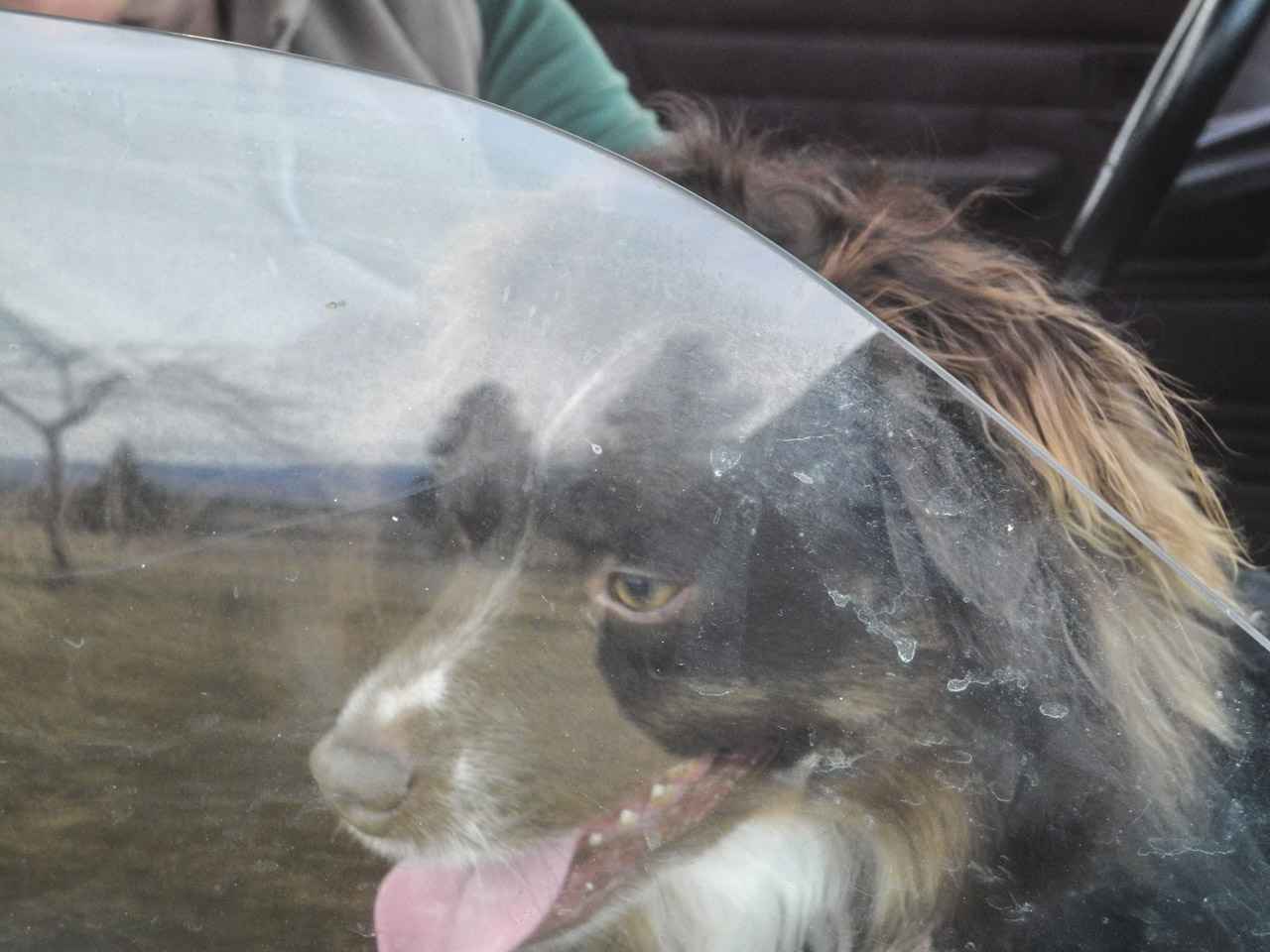
I told Ivi that I would share any of my dog and cat pix with her as I came upon them, so I guess I will give everybody else a look, too. Here is Catness/Catt Black, bonding with my engineer staffer, Dave, in the kitchen of my cabin. Then some later pictures when she encounters my friend Joe’s “Apache” puppy.
This makes for a perfect day. Almost an hour and a half, learning that Ivi is housesitting and dogsitting (whoops, didn’t get to capture the brief glimpse of the dog in question, who was resting on the floor beside Ivi); surviving healthily while almost everyone else around her gets colds and flu; dancing as much as she can; and being happy. She tells us about adventures with Little Lisle and what a fabulous experience she had with Melissa’s immersive theatre performance (where Ivi was, without warning, the first audience member dragged off by a member of the cast, and mentioned that posters of Melissa in a leather jacket with a Romeo and Juliet tattoo on her bare chest are appearing all around Seattle — we asked for some photo documentation). And lots more.
Made countless trips to DC in the 60s and 70s. Even had to break from my Arizona Indian reservation stint for a couple of days for such a sojourn, in such a whirlwind affair that virtually no time was available for wandering about with camera.
The absolute best way to socialize after working hours (no, it really wasn’t the Dew Drop Inn) was to get together with musician and music-oriented friends to listen and maybe create some live sounds. Here, Tucson musician Lynne (you met her earlier) drives us in her Audi (as ID’d by Jamesa!) to meet up in guitarist and my staff member Ron’s cabin.
This was a very special venue, by the way, as Ron had rented over the winter a summer vacation cabin outside of Pinetop from a university music professor from Phoenix named Fred Sharp. So, of course, the owner had signage with musical notes at the front gate proclaiming the property as that of … F Sharp. Once inside, the spacious and highly comfortable cabin was chock full of photos and paintings of cats, framed vintage musical scores and images of composers, and … antique instruments. One of these instruments was not locked away, and we were given permission to use it (responsibly). It was a small foot-powered early 1800s German organ! We immediately conjured up fantasies about how such an organ could have been used in era of Beethoven — the dates just about match. So we have Lynne, Ron, Jill, Penni and me taking turns at the keyboard, and occasionally attempting an organ-guitar ensemble mix. I regret that I didn’t return later with a flash unit to overcome the interior darkness to bring out the details in that incredible organ (which actually looked better than it sounded).
While photographing sidewalks, I stumble upon Mark and Zach in my path; they claim that they recognized my stride two blocks away. And I take a look at the exterior of the newly-opened Orange Rhino Bakery (formerly occupied by Bobolink).
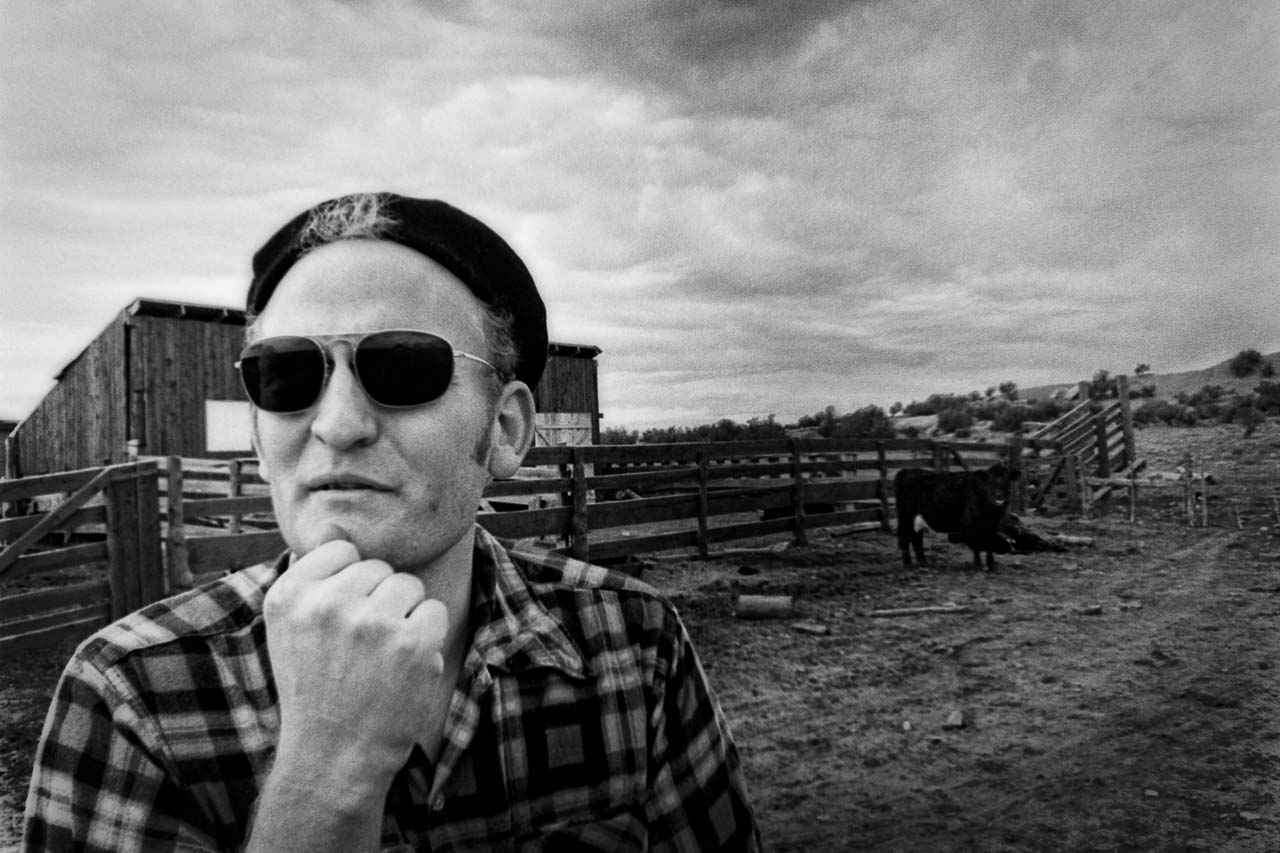
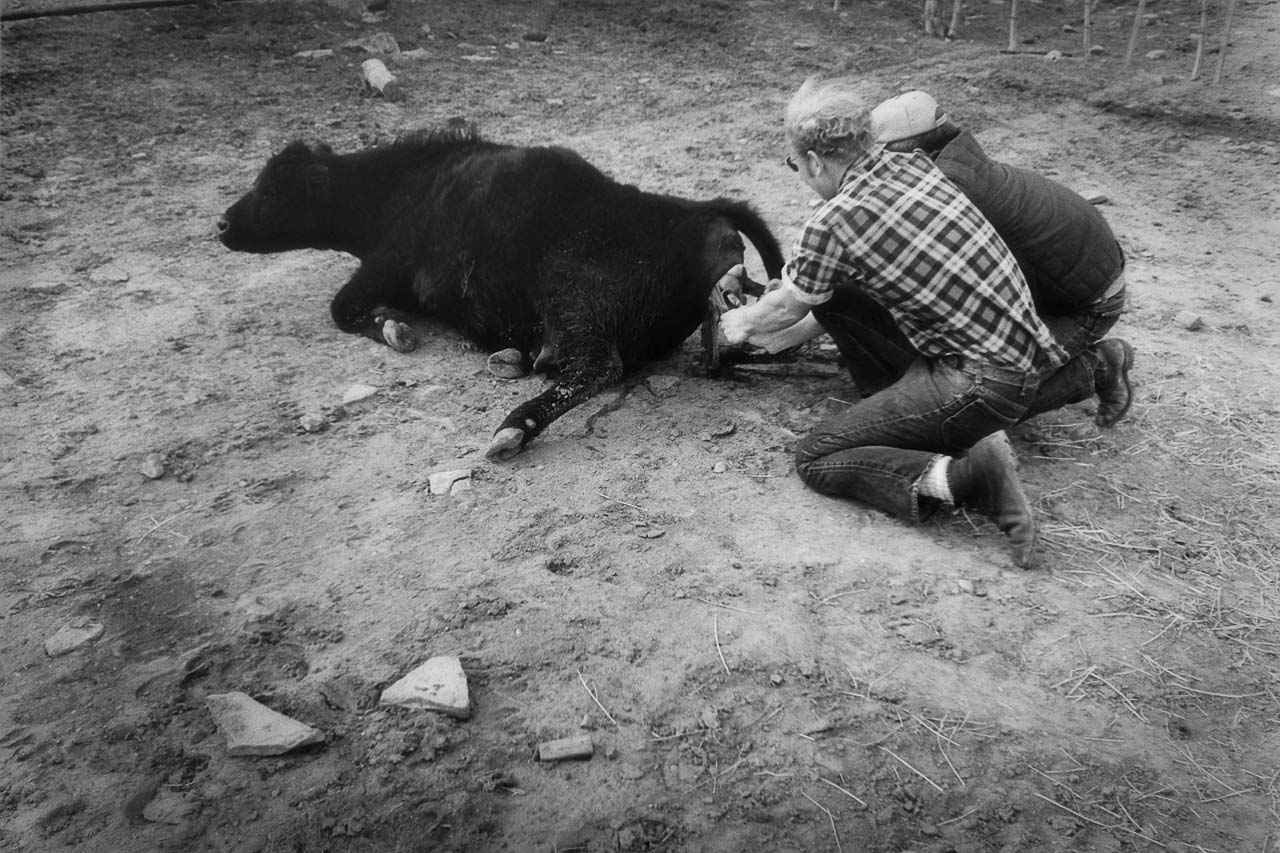
Remember the guy who lived in the school bus and drove a Porsche? One day he had me accompany him to the Reservation to assist one of his Apache friends with midwifing a problematic birth of a cow’s calf.
I see that I have about a dozen photos documenting the entire process, but I will keep this succinct. Up to that time, I had no idea that my friend was skilled with such matters.
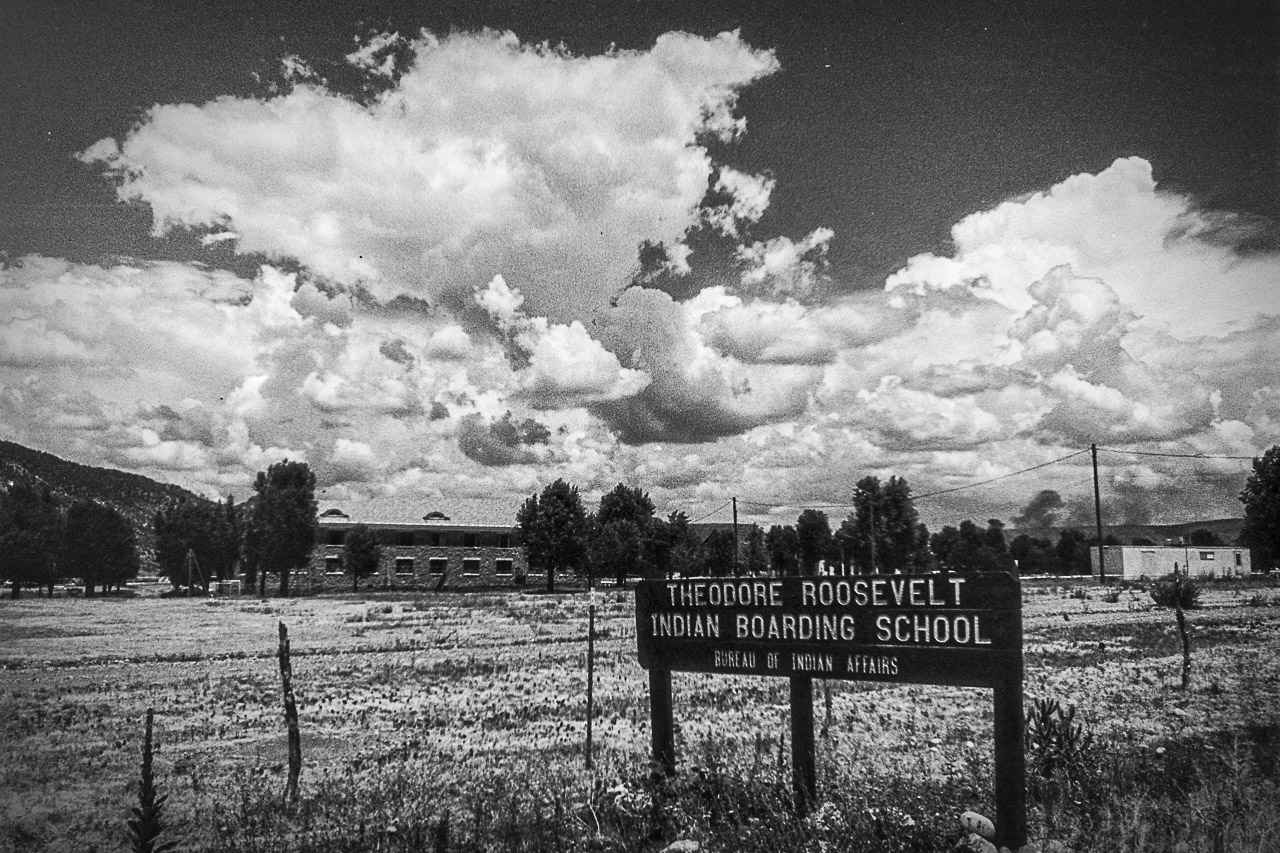
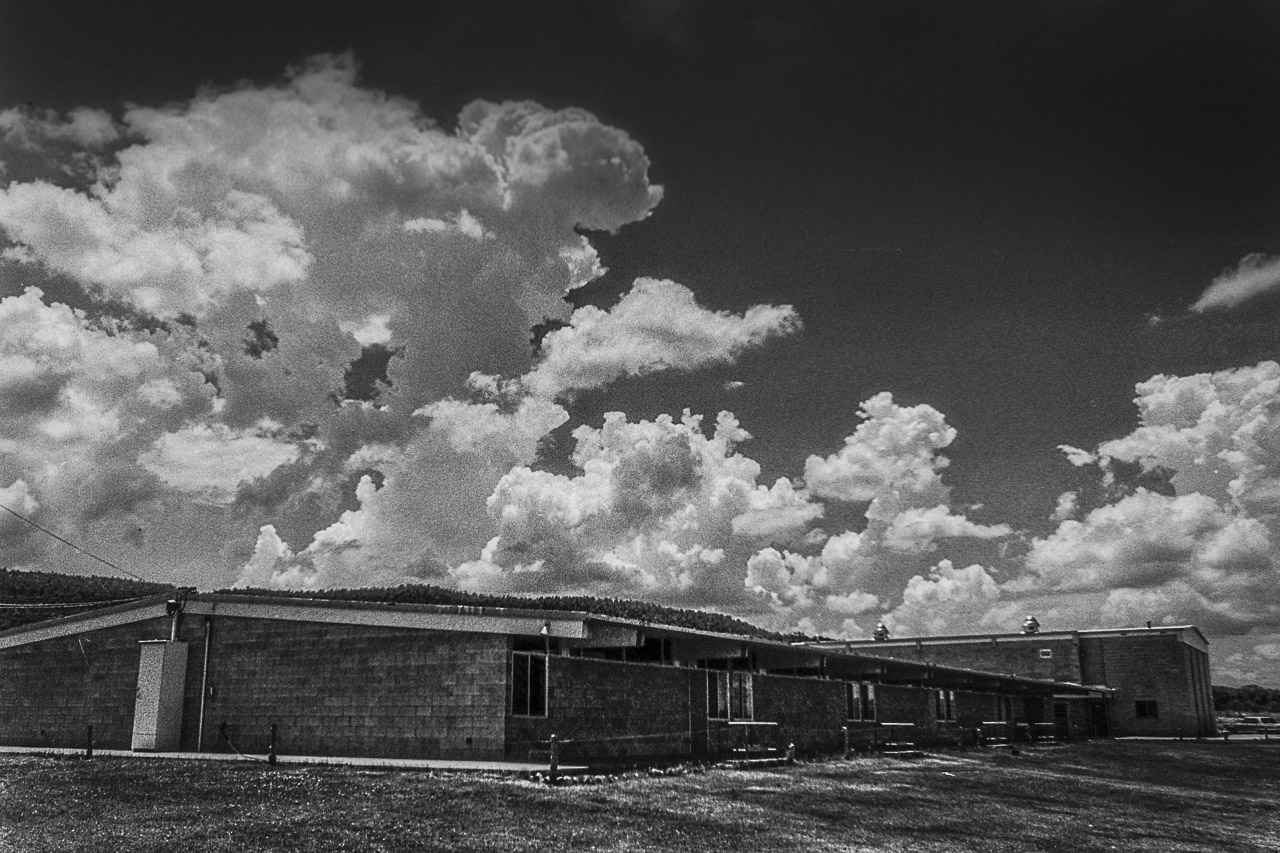
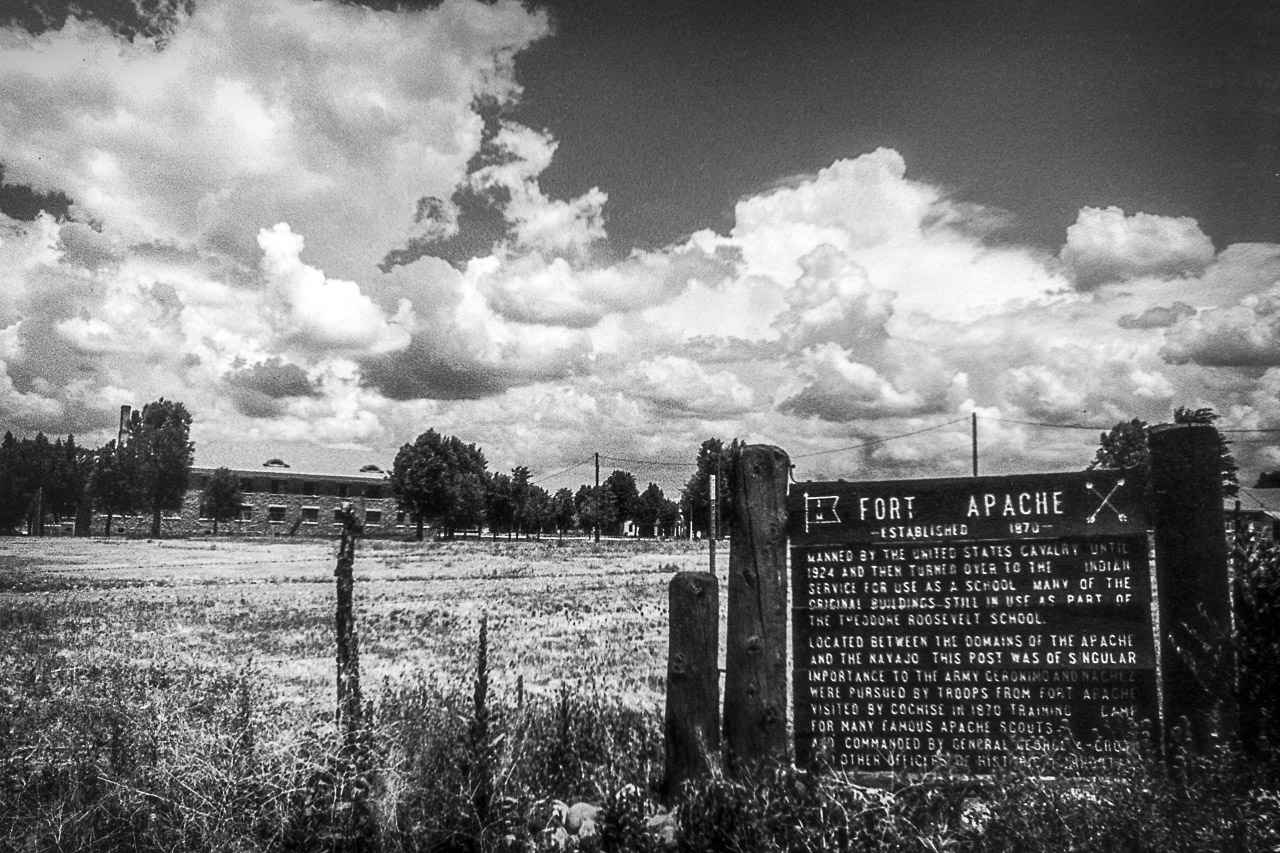
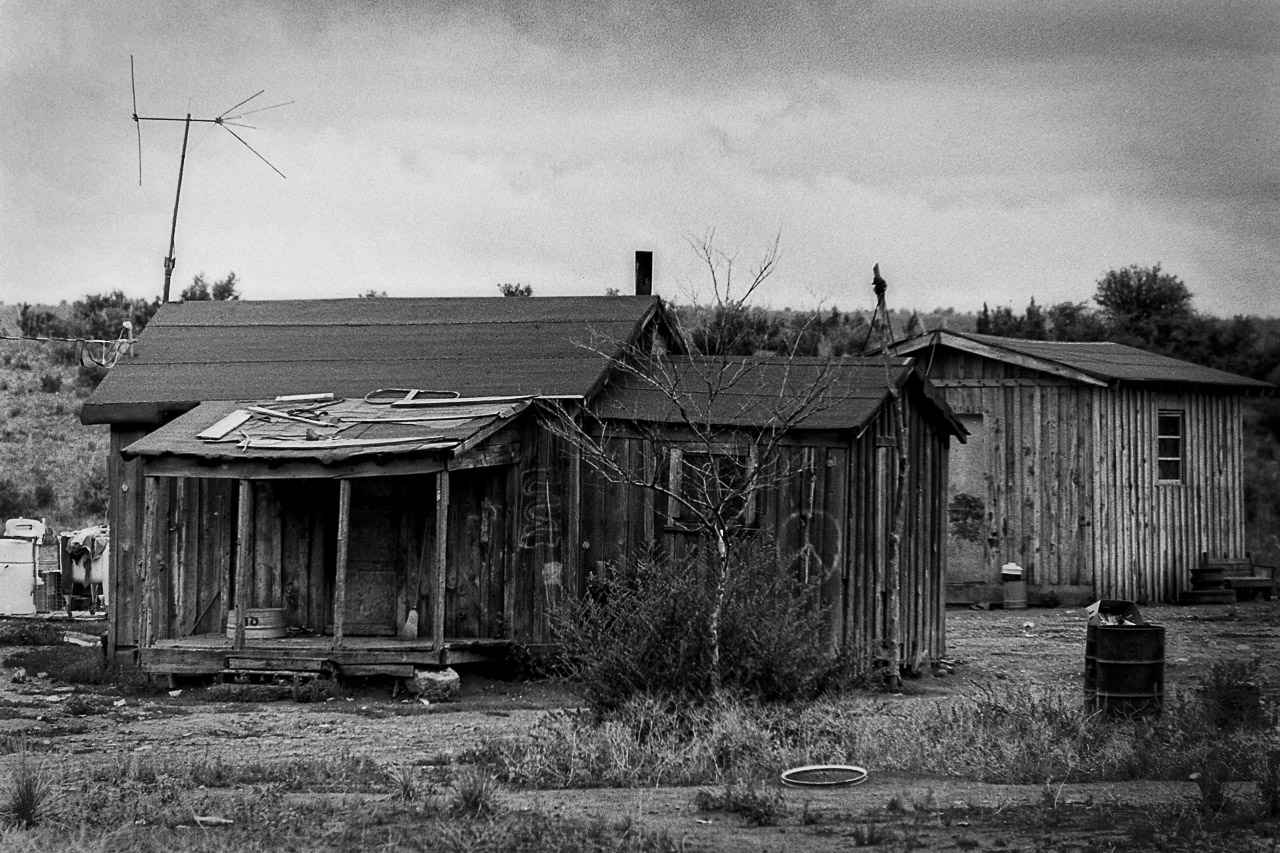
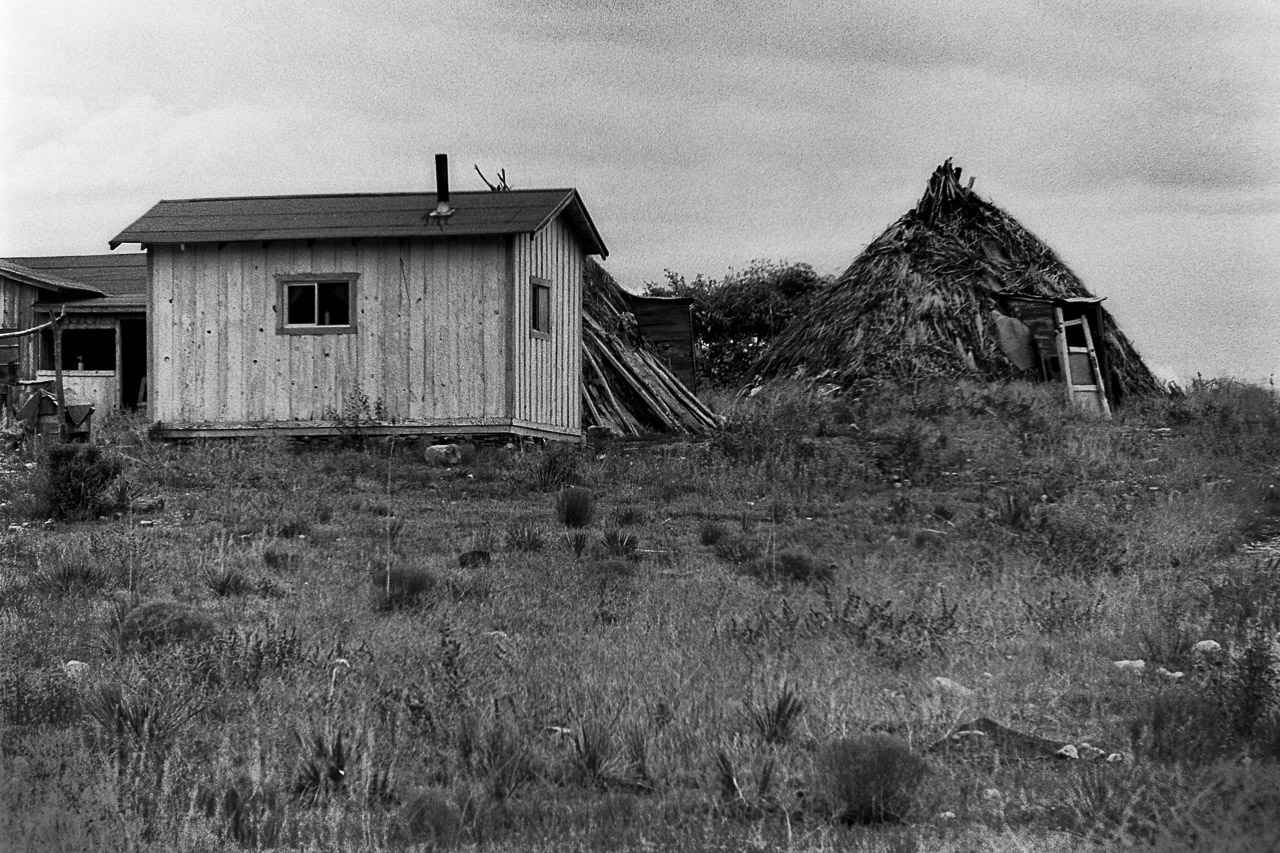
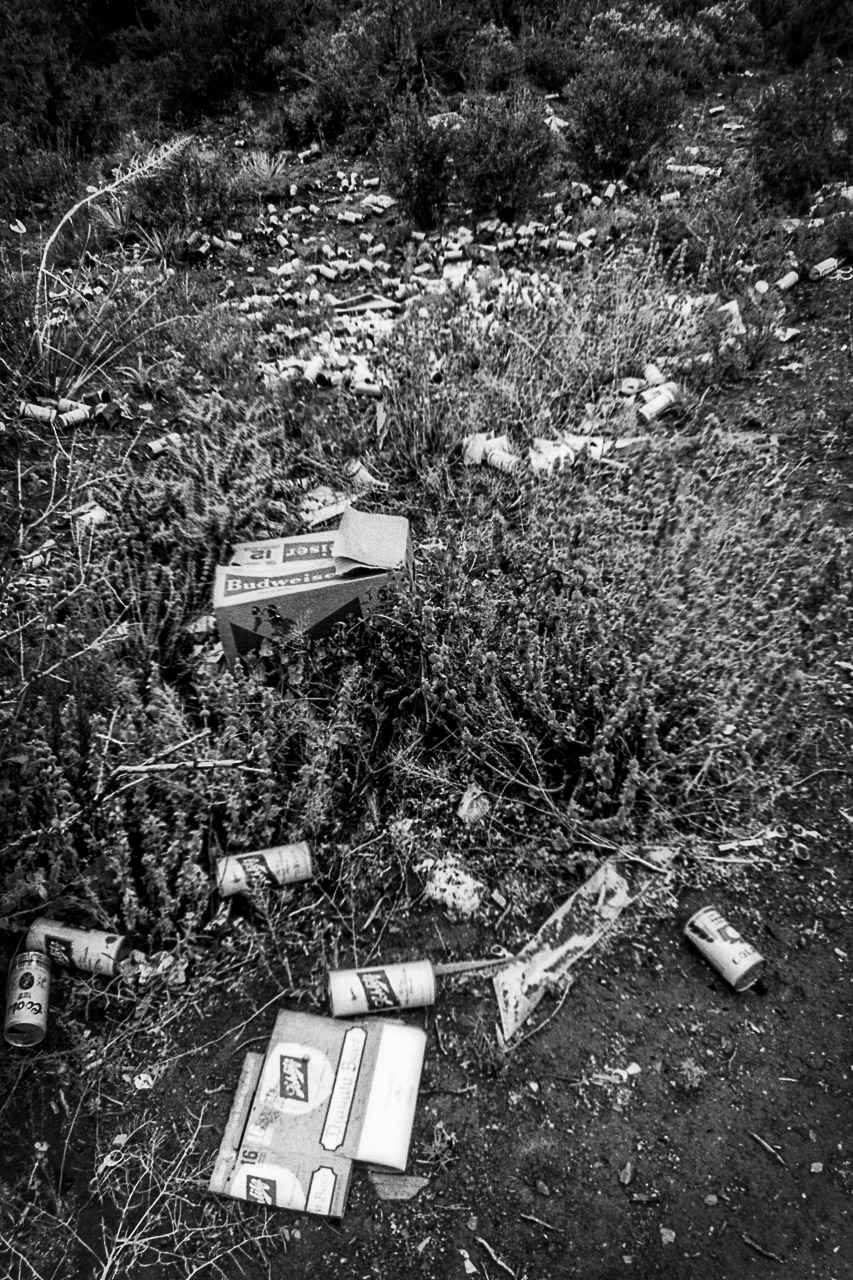
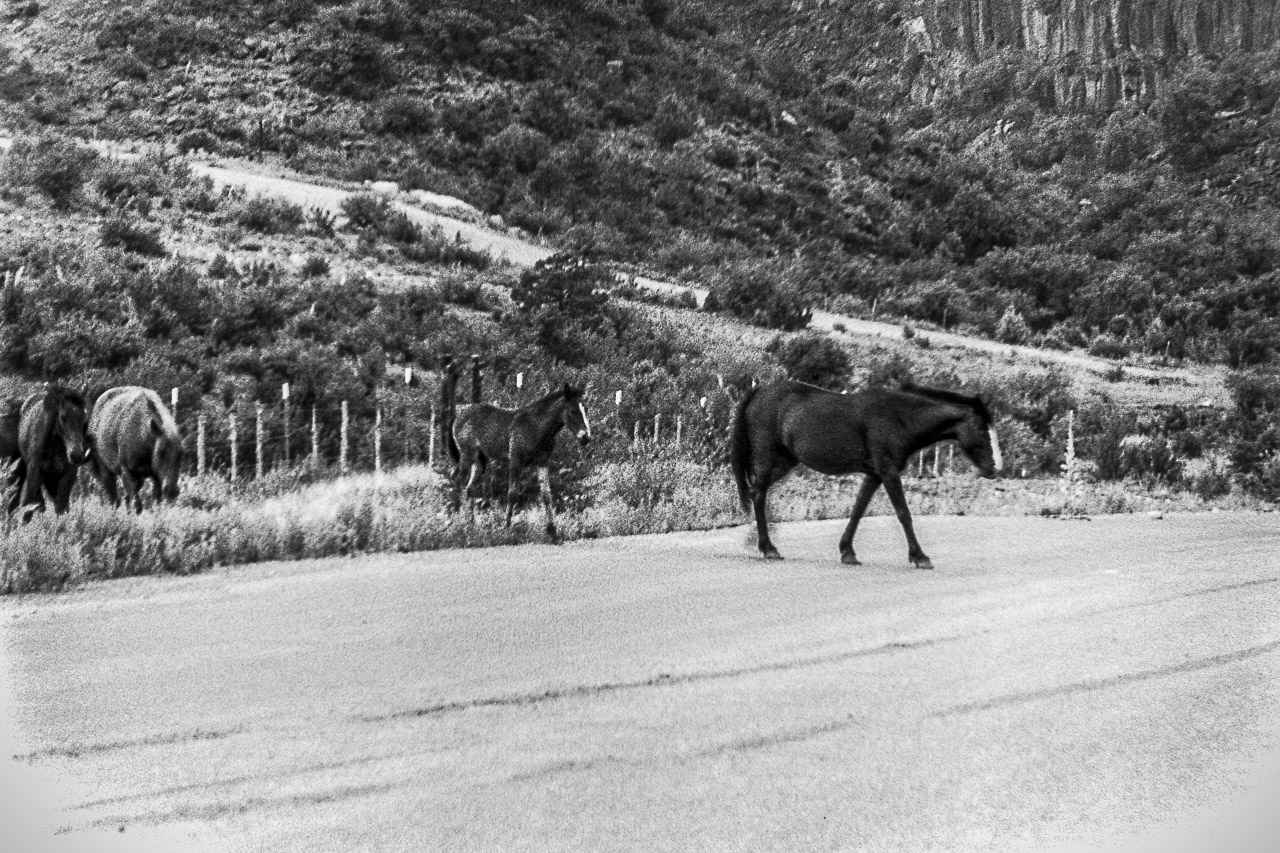
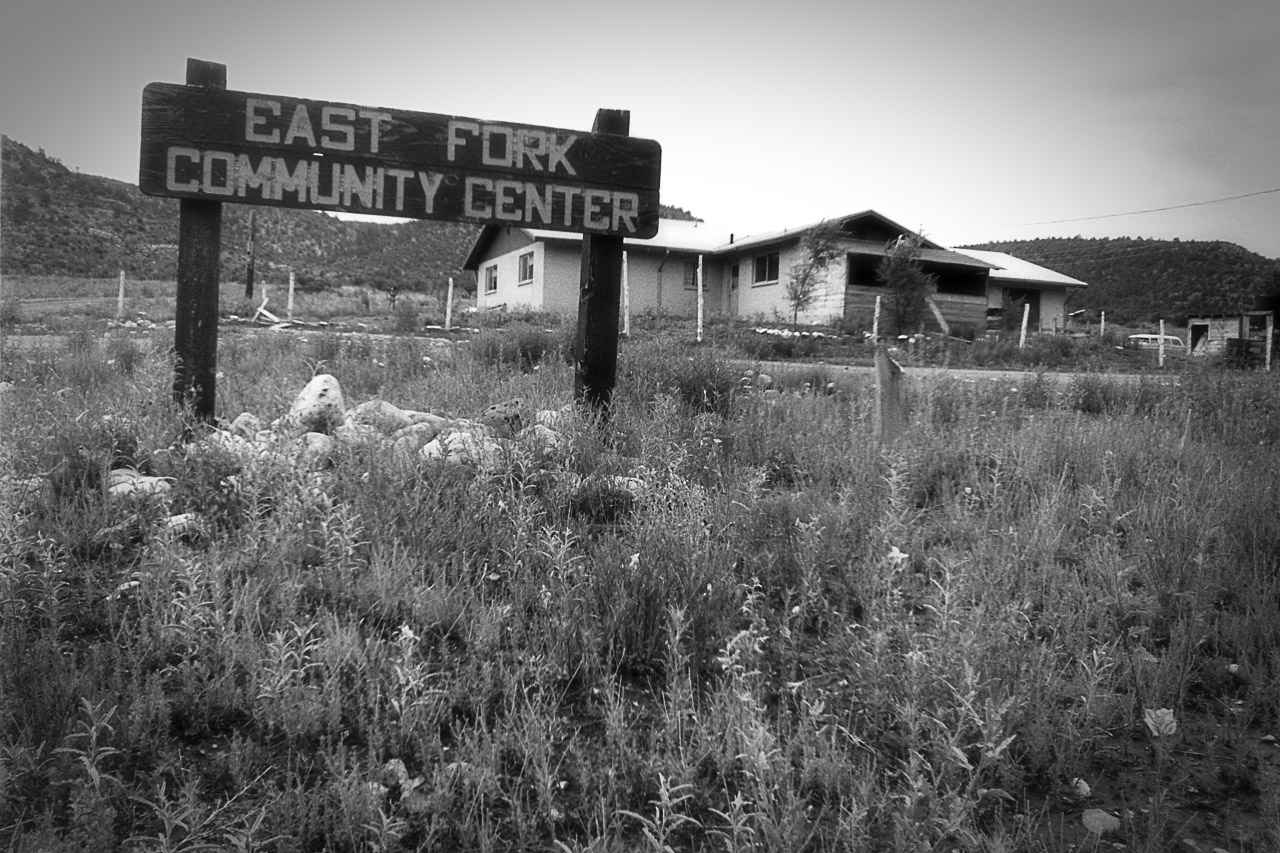
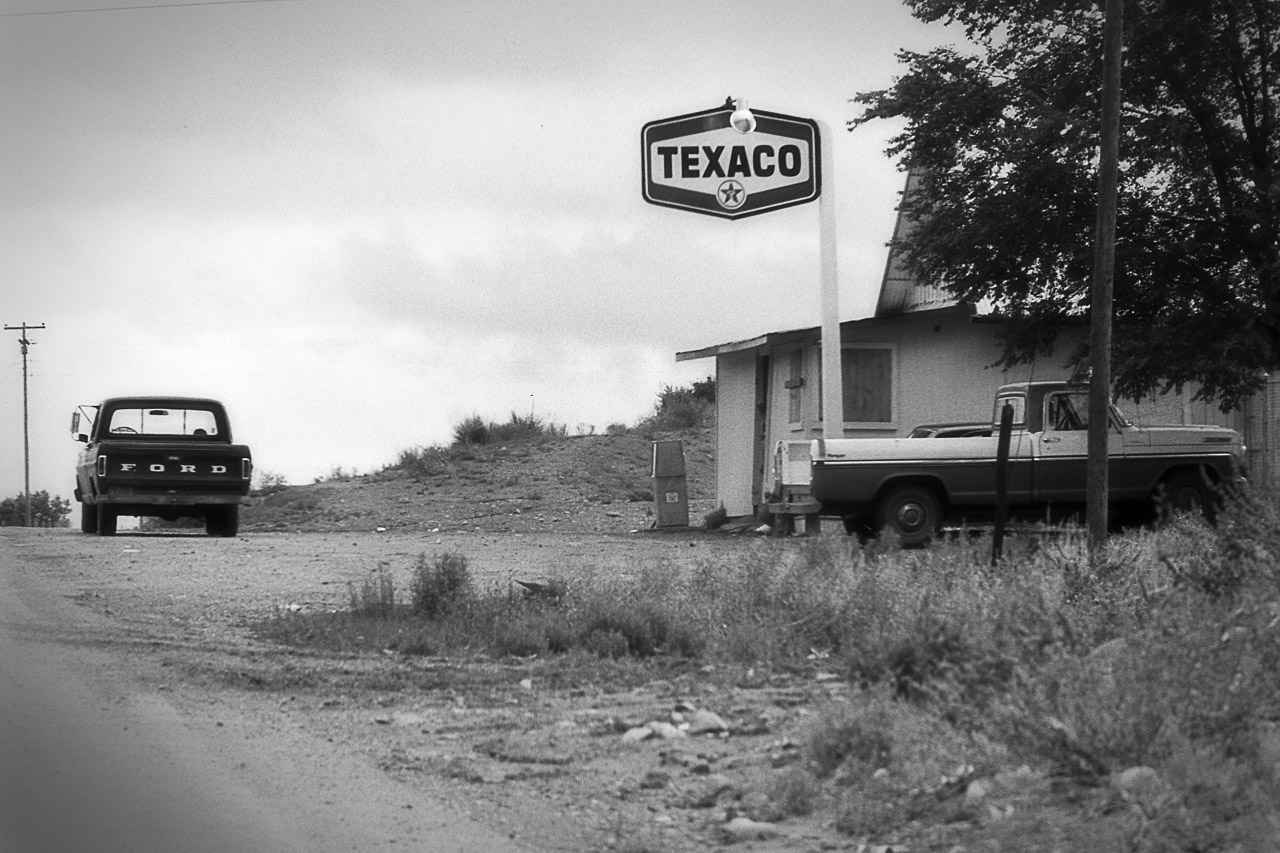
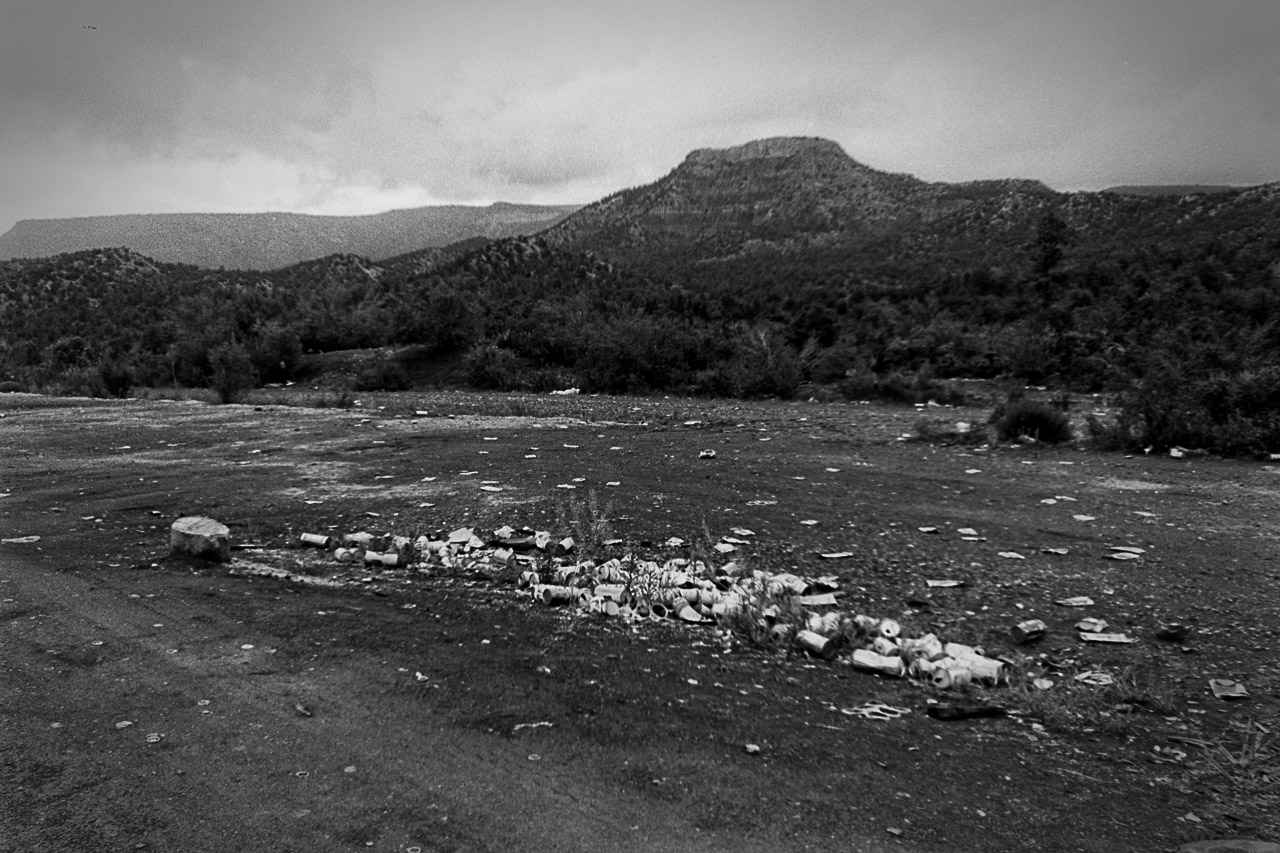
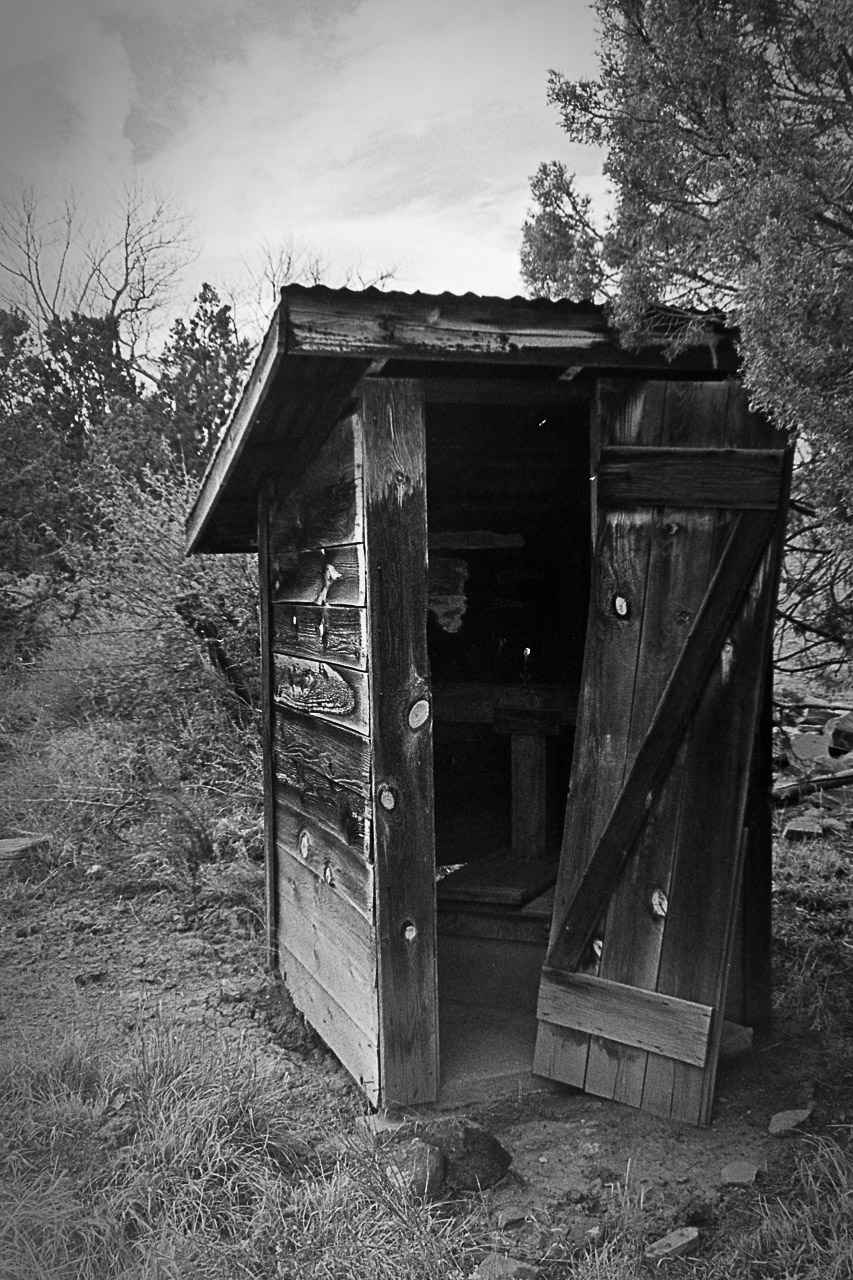
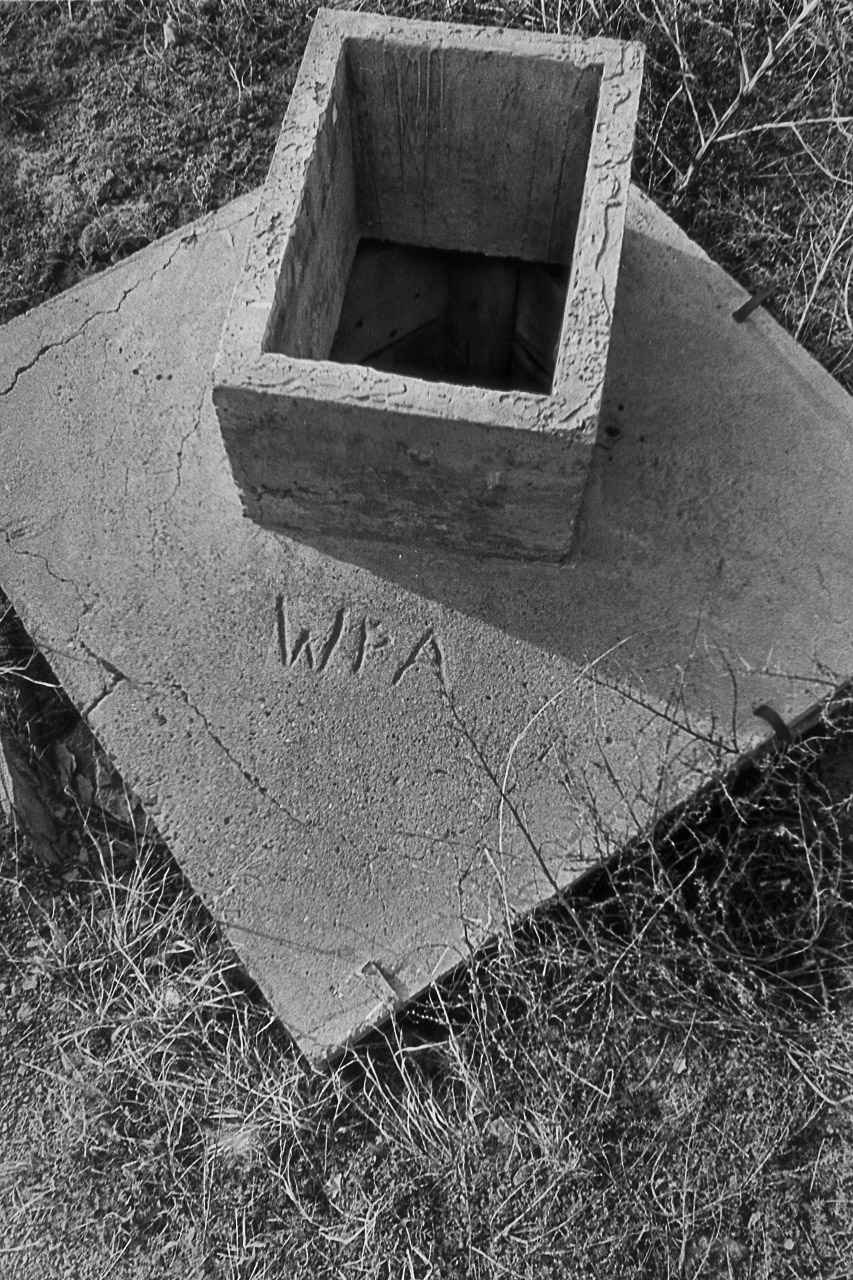
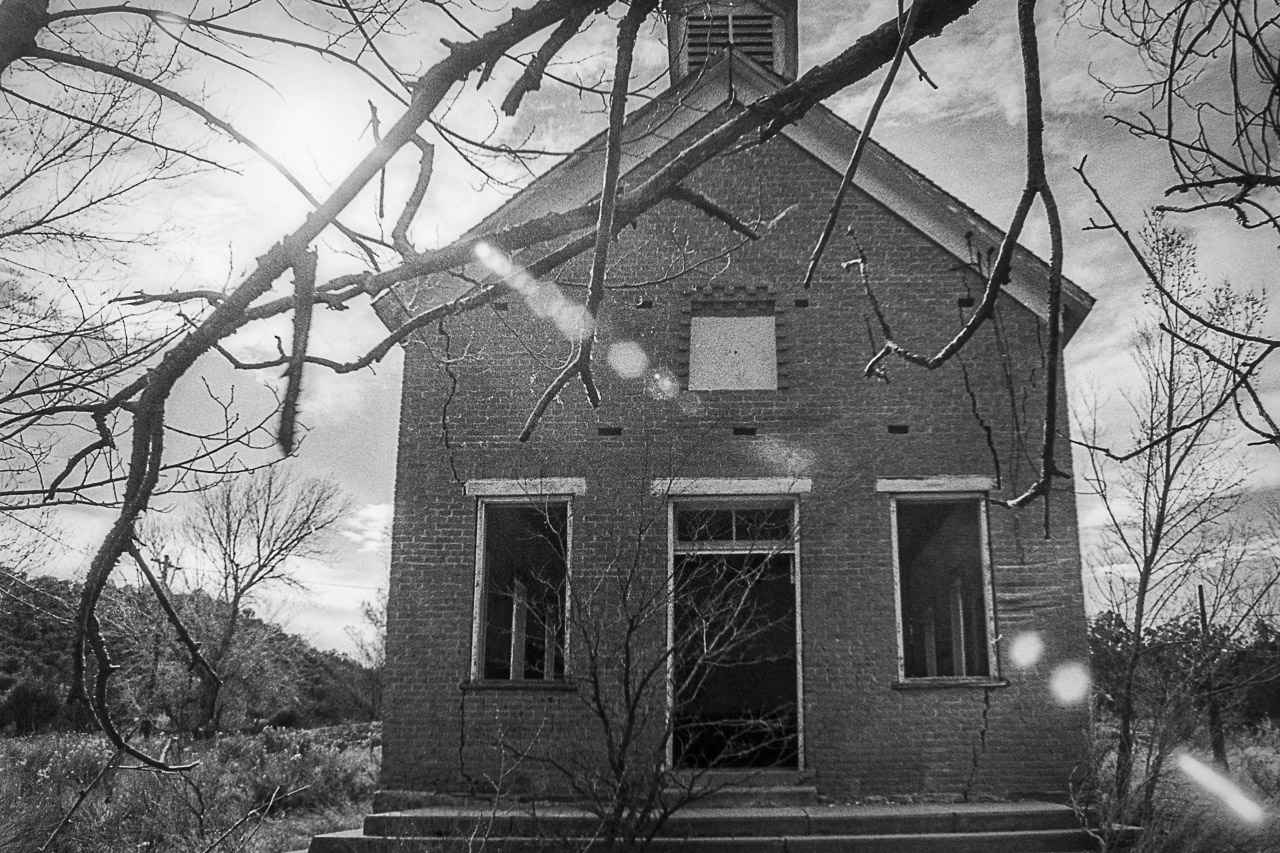
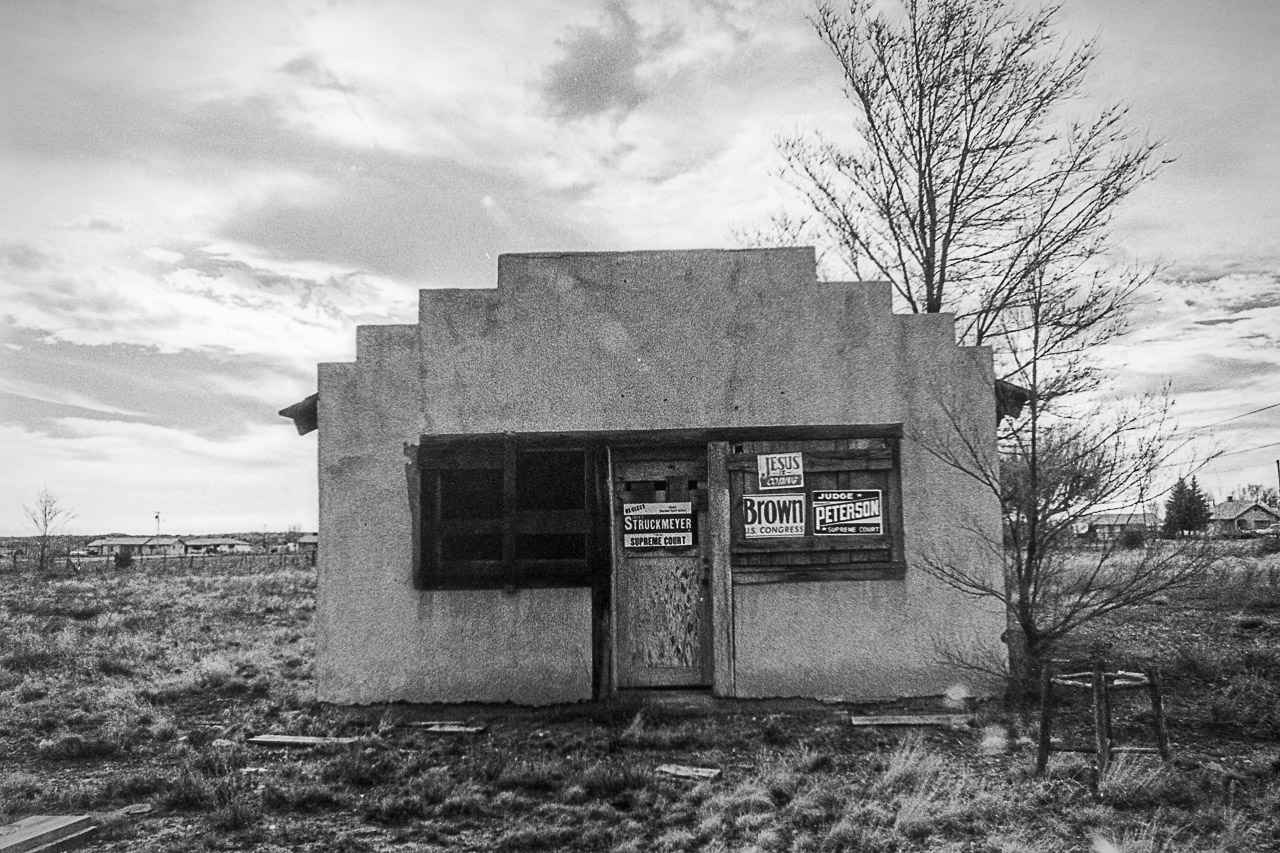
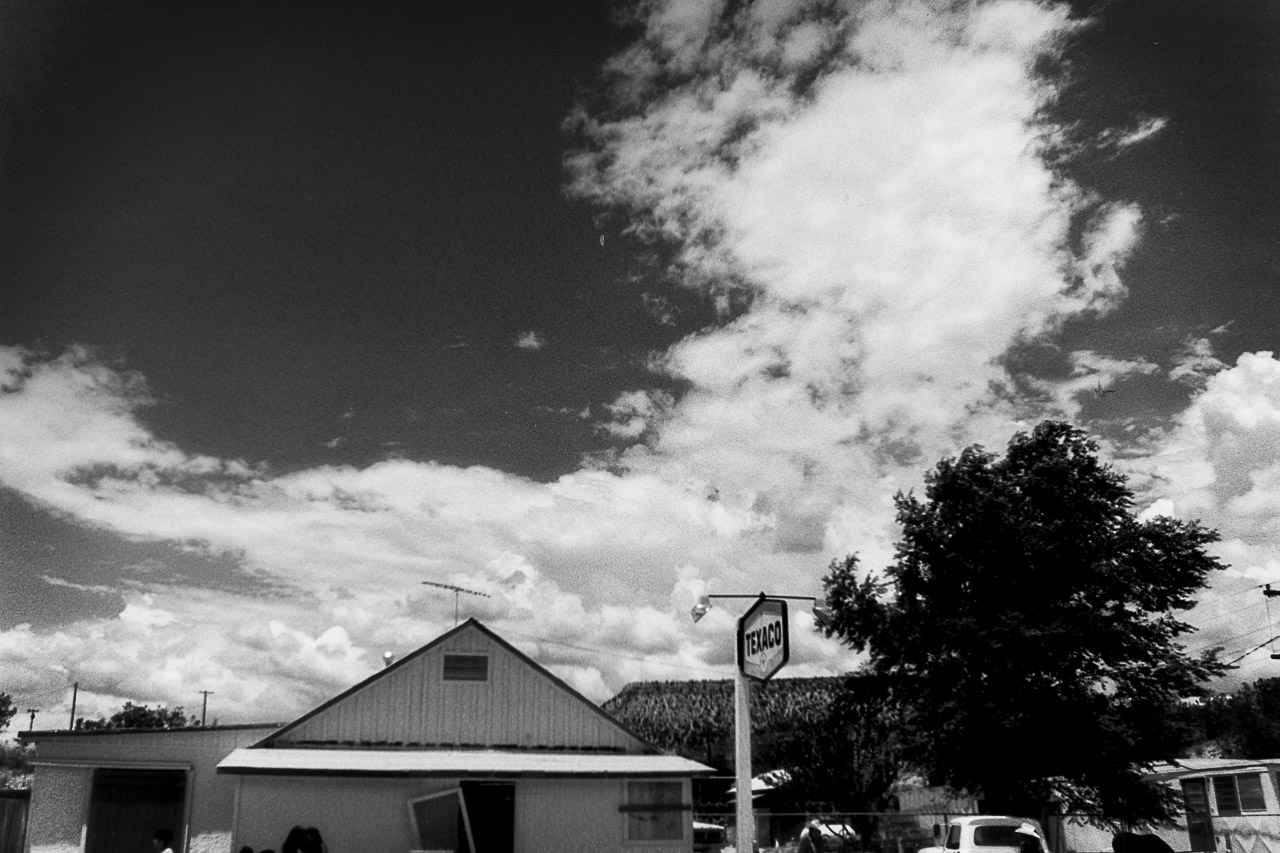
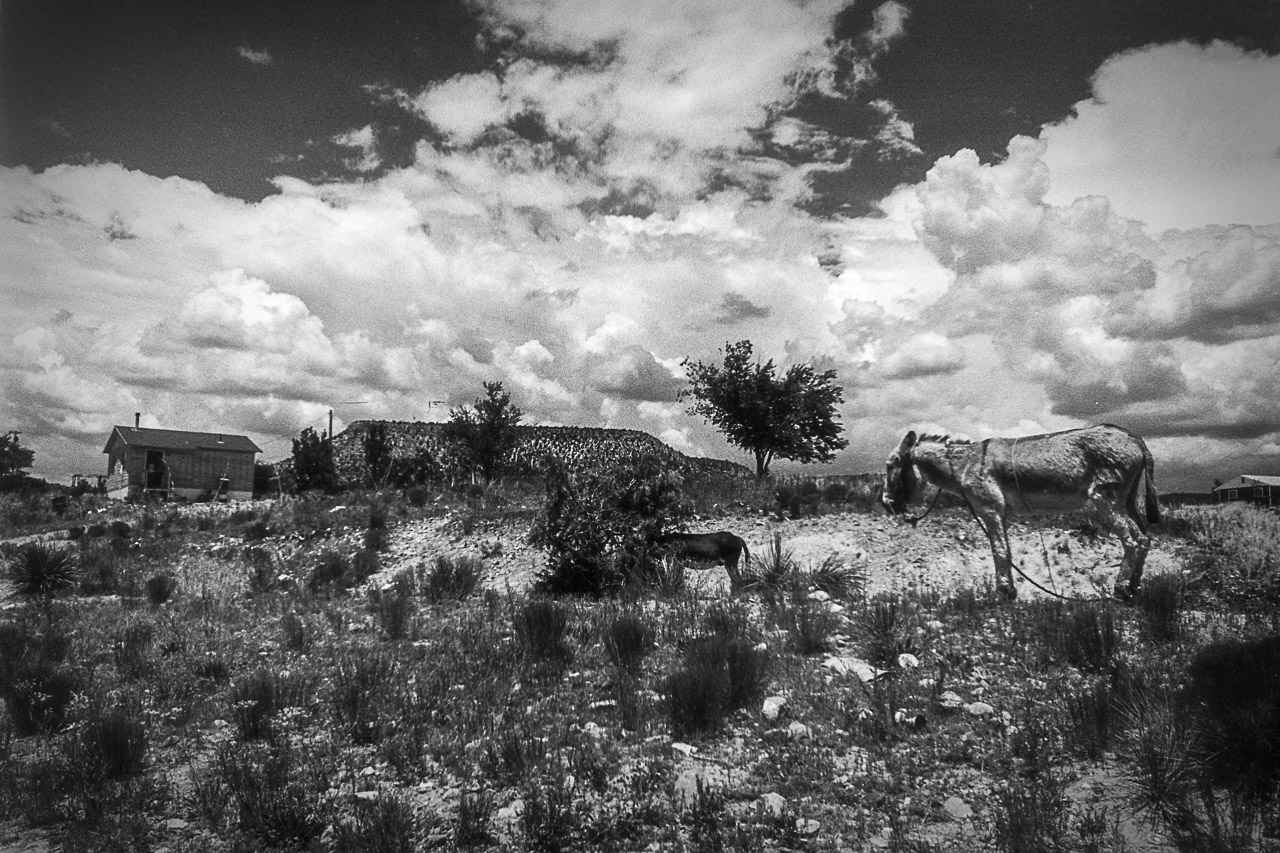
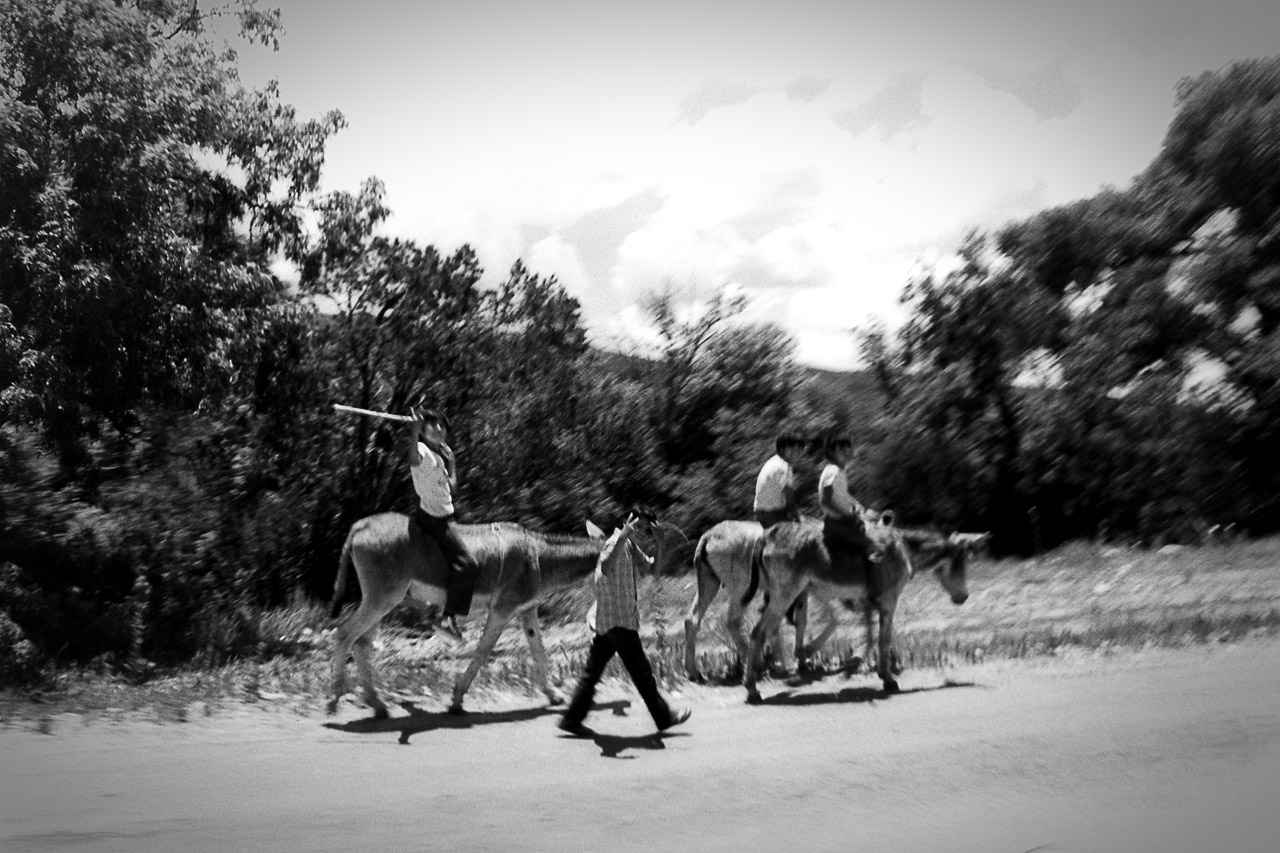
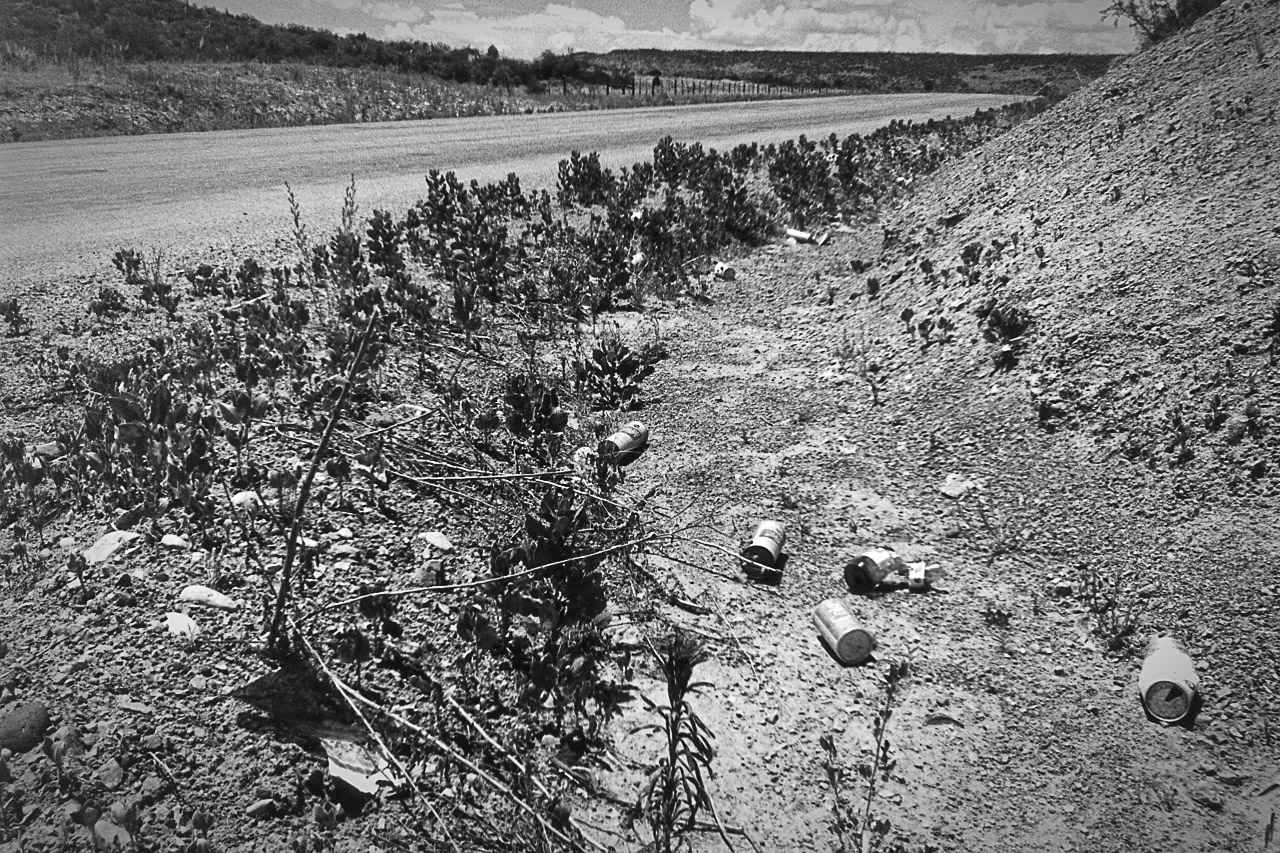
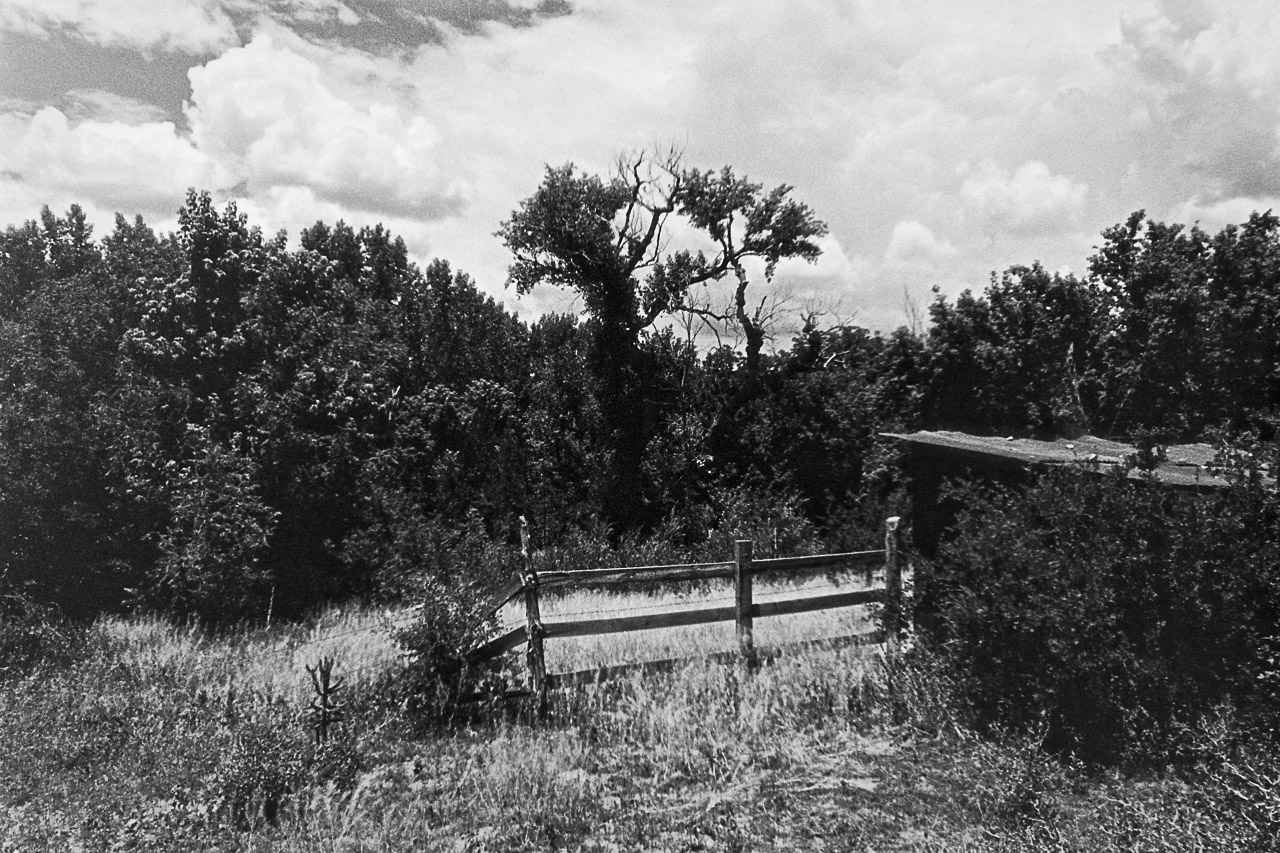
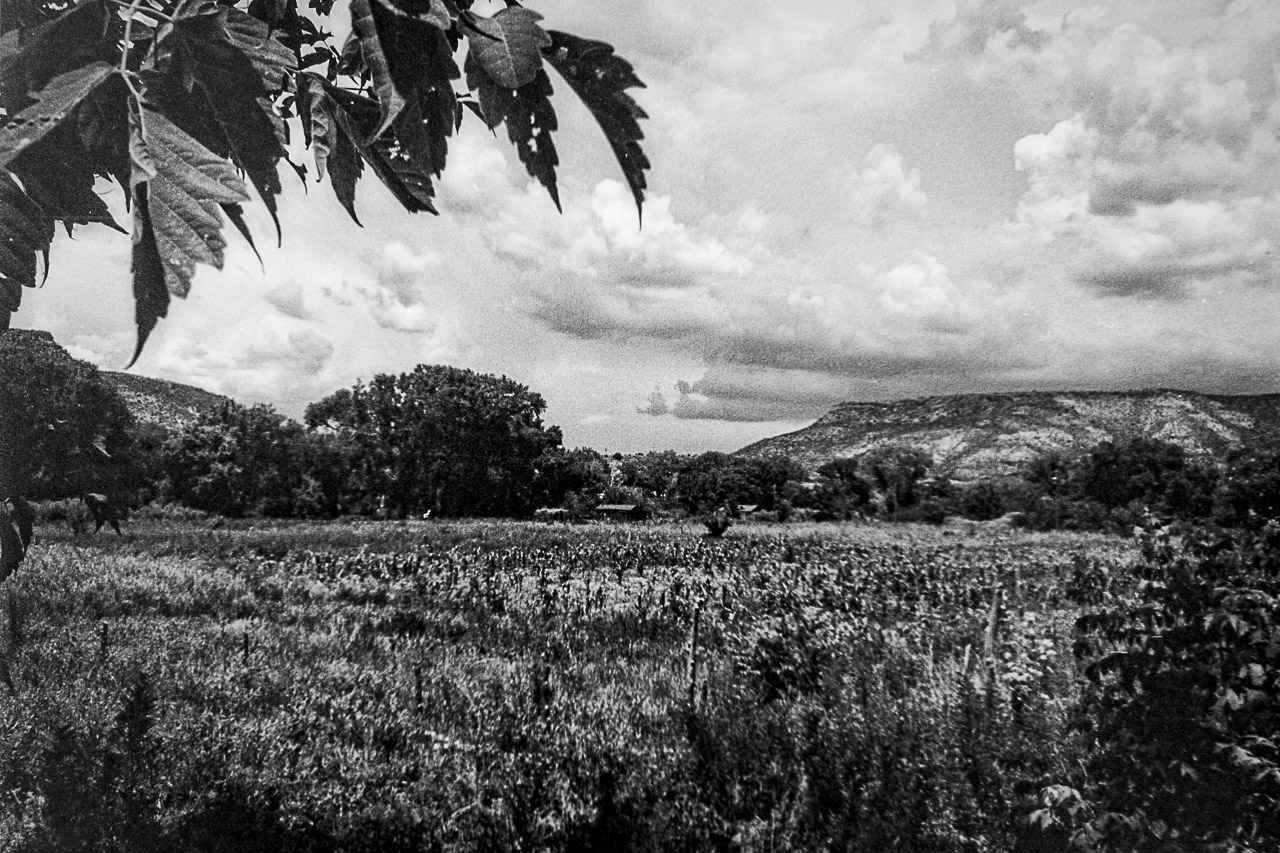
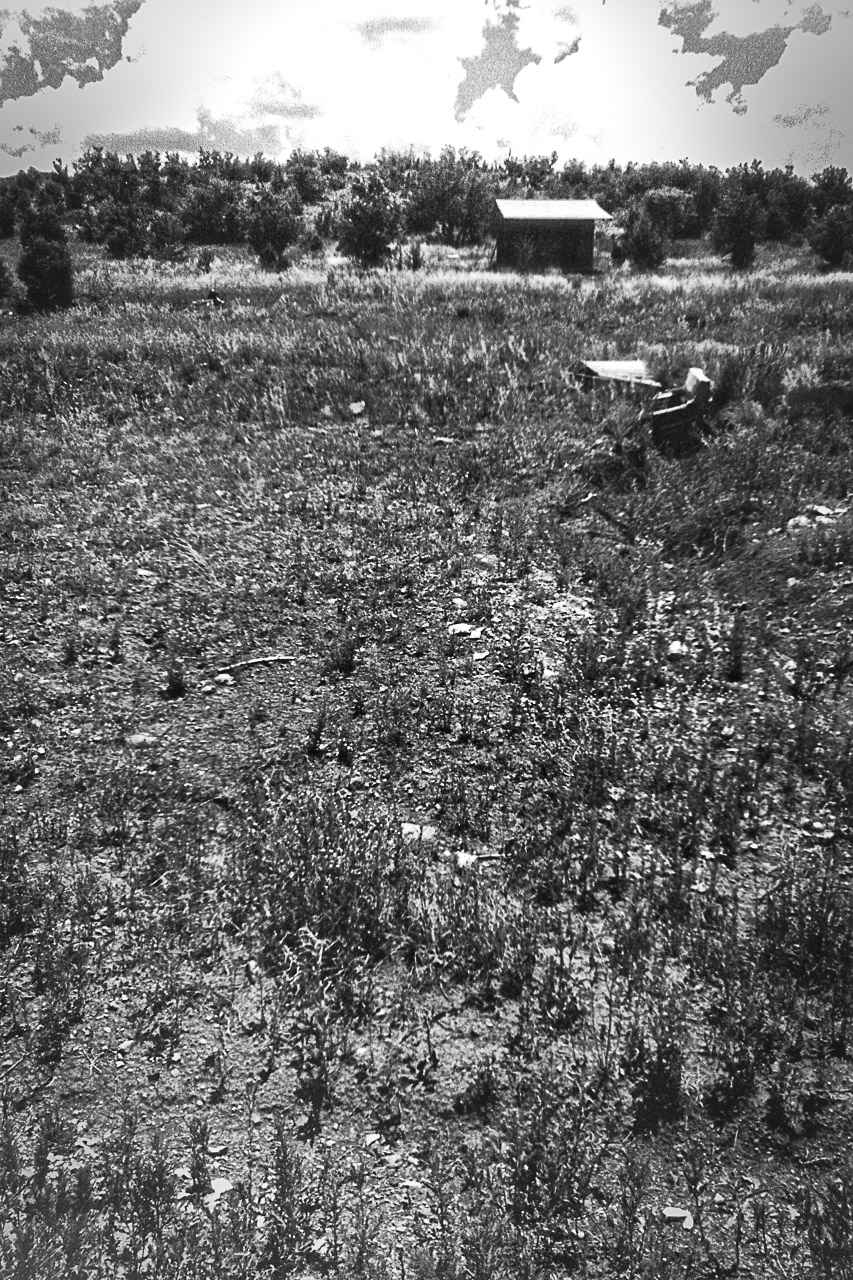
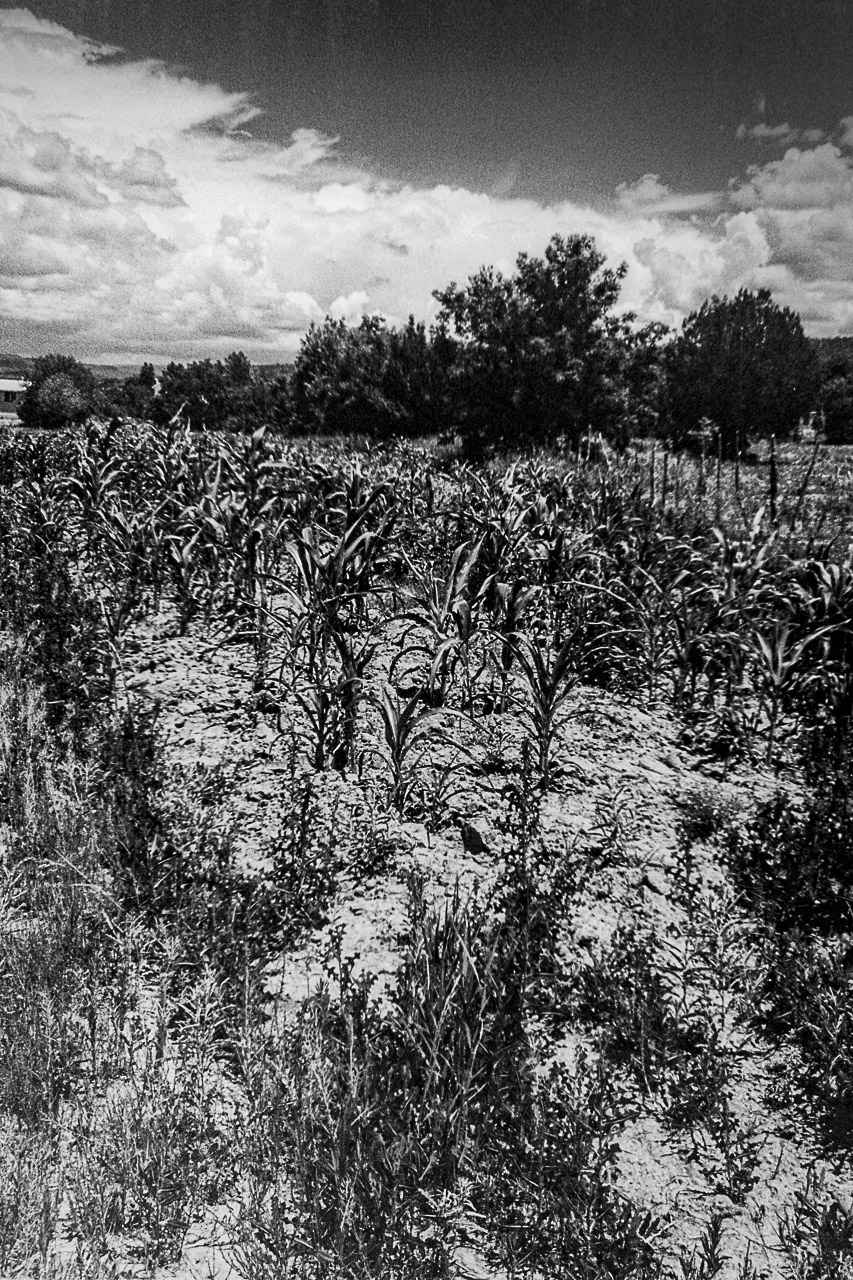
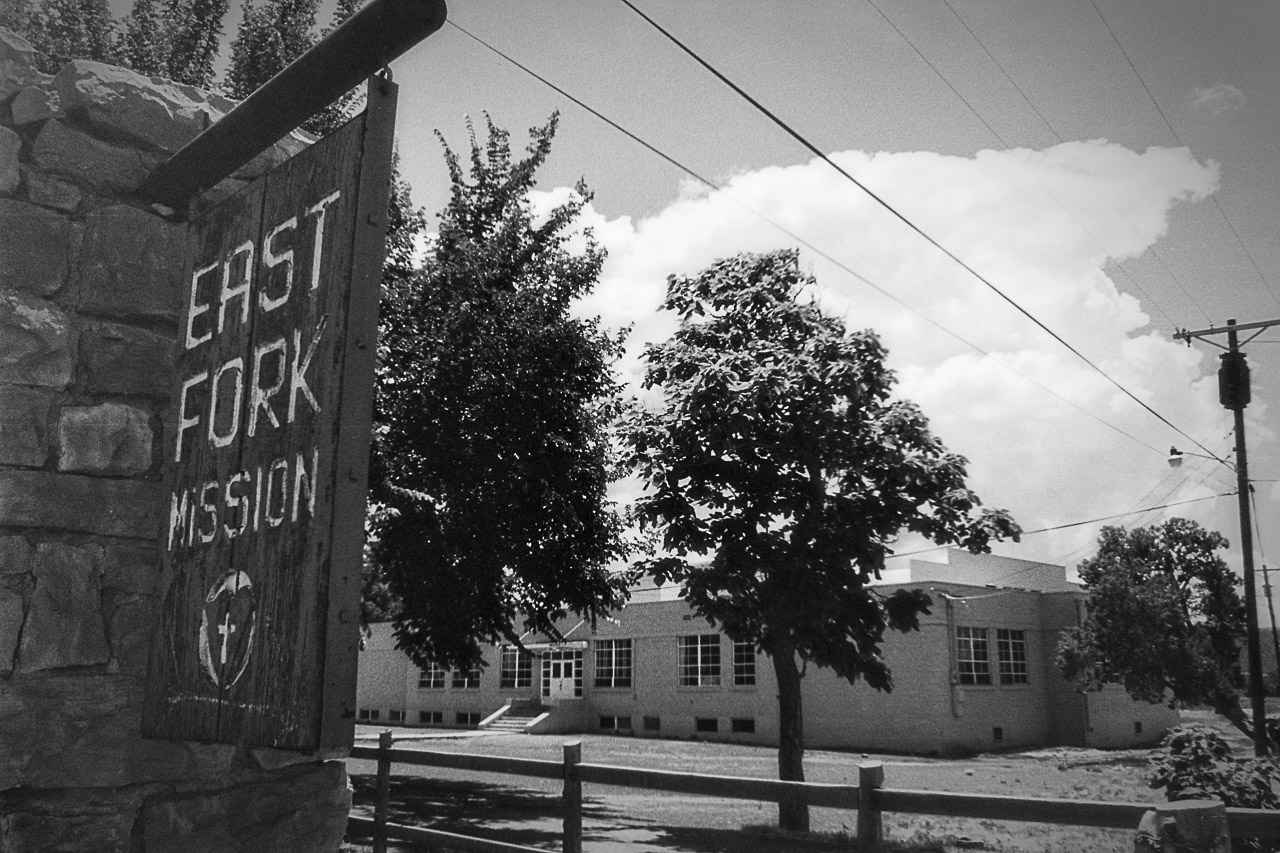
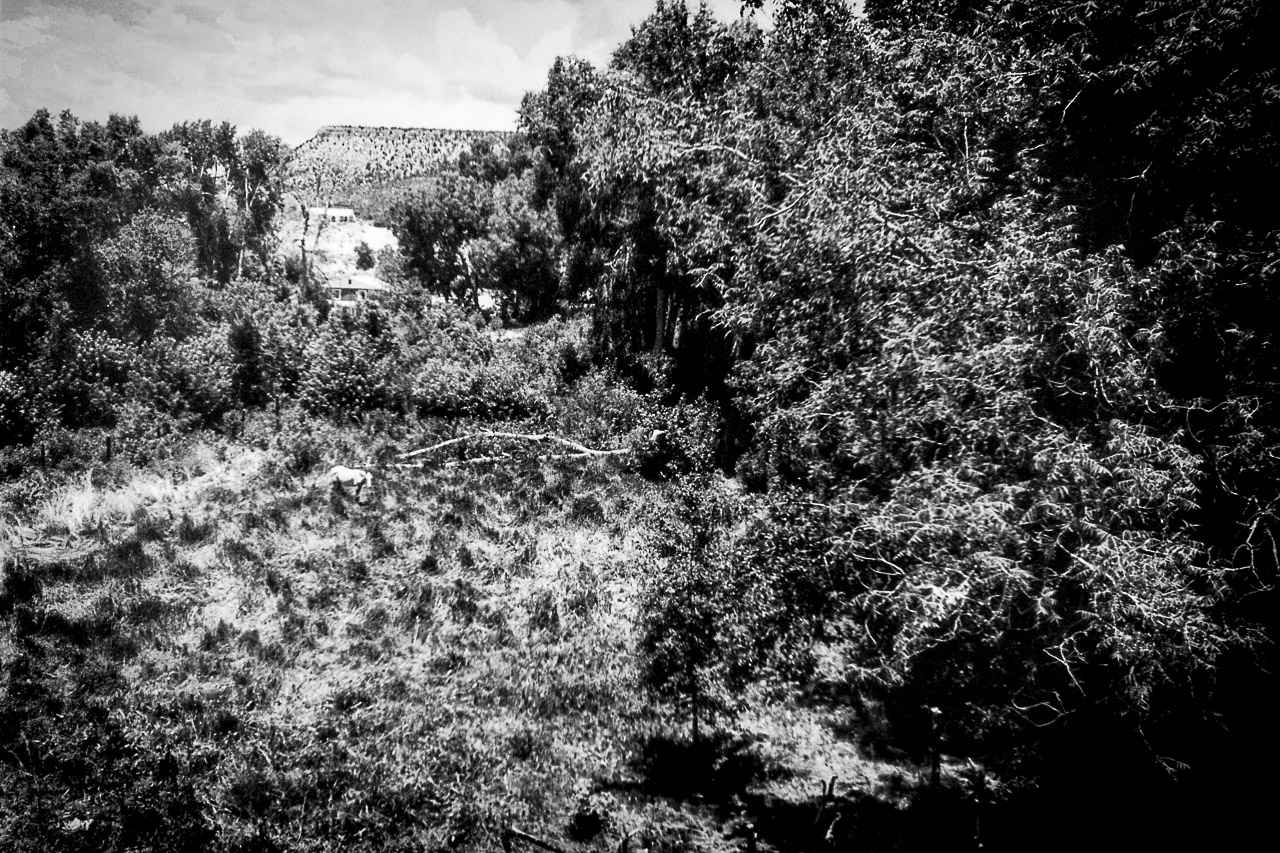
The Reservation was sparsely populated; about 13 or 14,000 people occupied 1.6 million acres (some 2600 square miles). Many were clumped in small settlements, about eight or nine distinct communities, and some only had a trading post with a gas pump, or less. Some Tribal members lived in shacks and cabins, often still using the traditional wickiup (think “wigwam”) nearby. Scattered throughout the scrub plateaus and denser forest areas — elevation range was about 3000 feet to over 11,000 feet — would be virtually hidden cabins. Many homesteads had a few grazing animals (overgrazing, incidentally, was a often-cited problem) and a plot of vegetables and a patch of corn, always close to one of the many sources of water on the Reservation. (If I recall, it was said that something like 400 or 500 miles of streams and creeks flowed throughout the Reservation, and as we have previously pointed out, several rivers and very large lakes were to be found at various elevations.) Accompanied by our Apache translator/interviewers, we visited a number of families — sometimes single-parent — with several children and elders living in one or two rooms. Traversing side roads often required 4WD. Roadsides were often littered with trash, particularly beer cans.
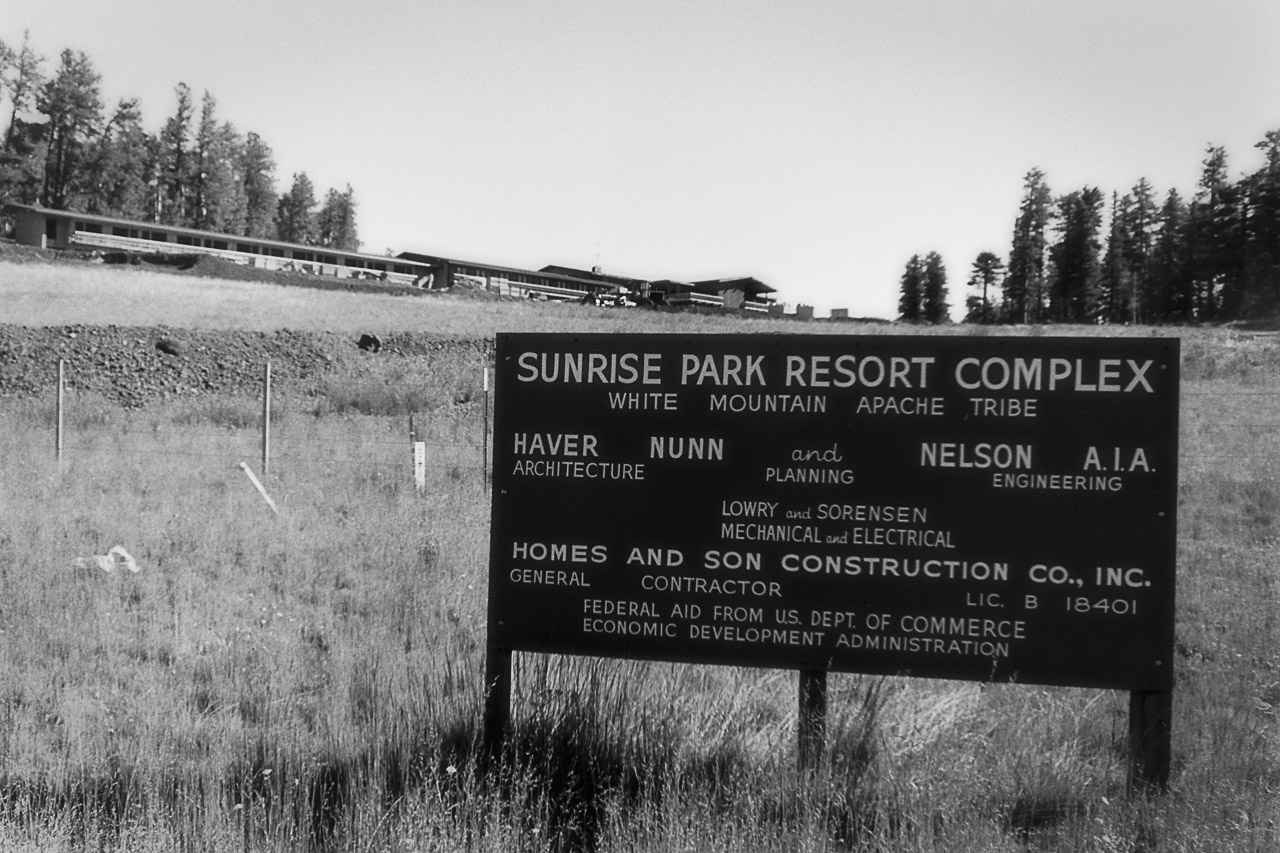
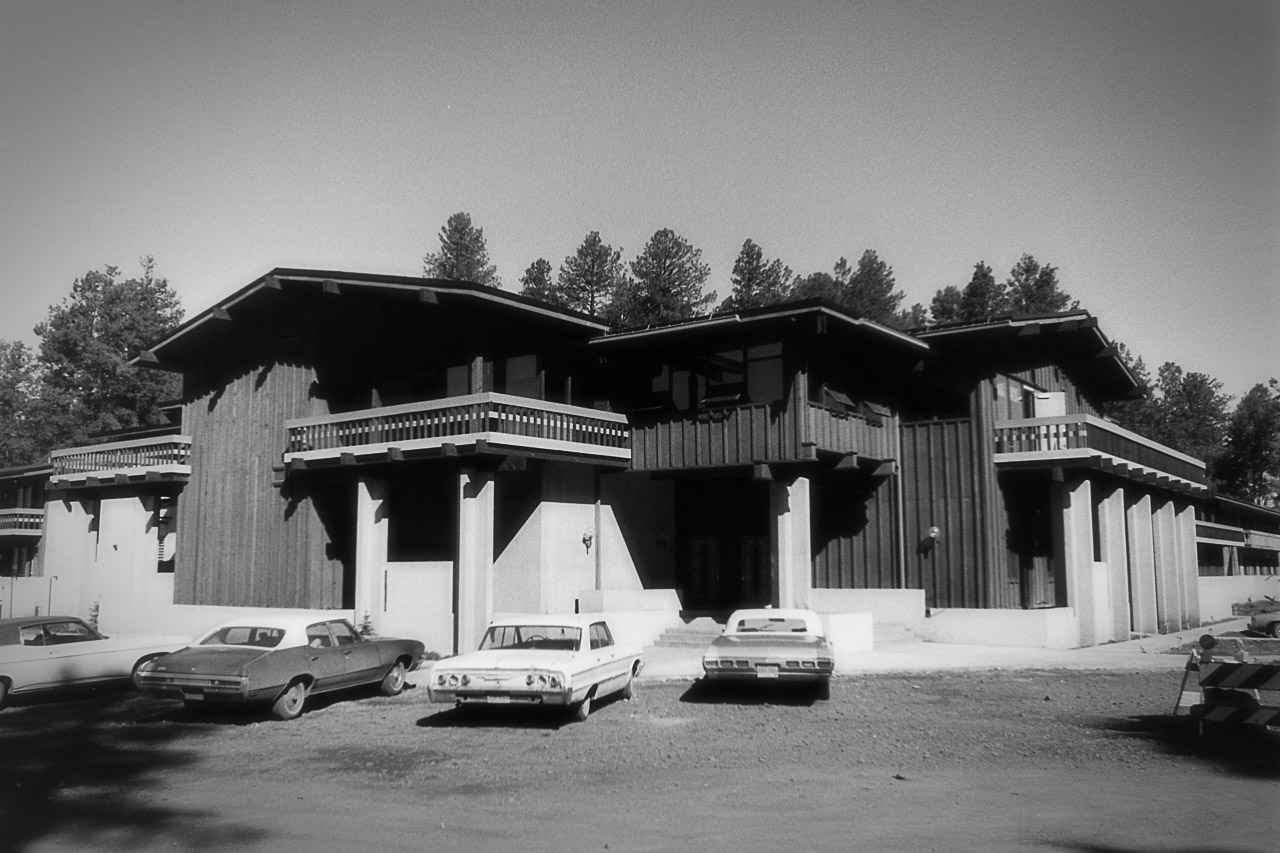
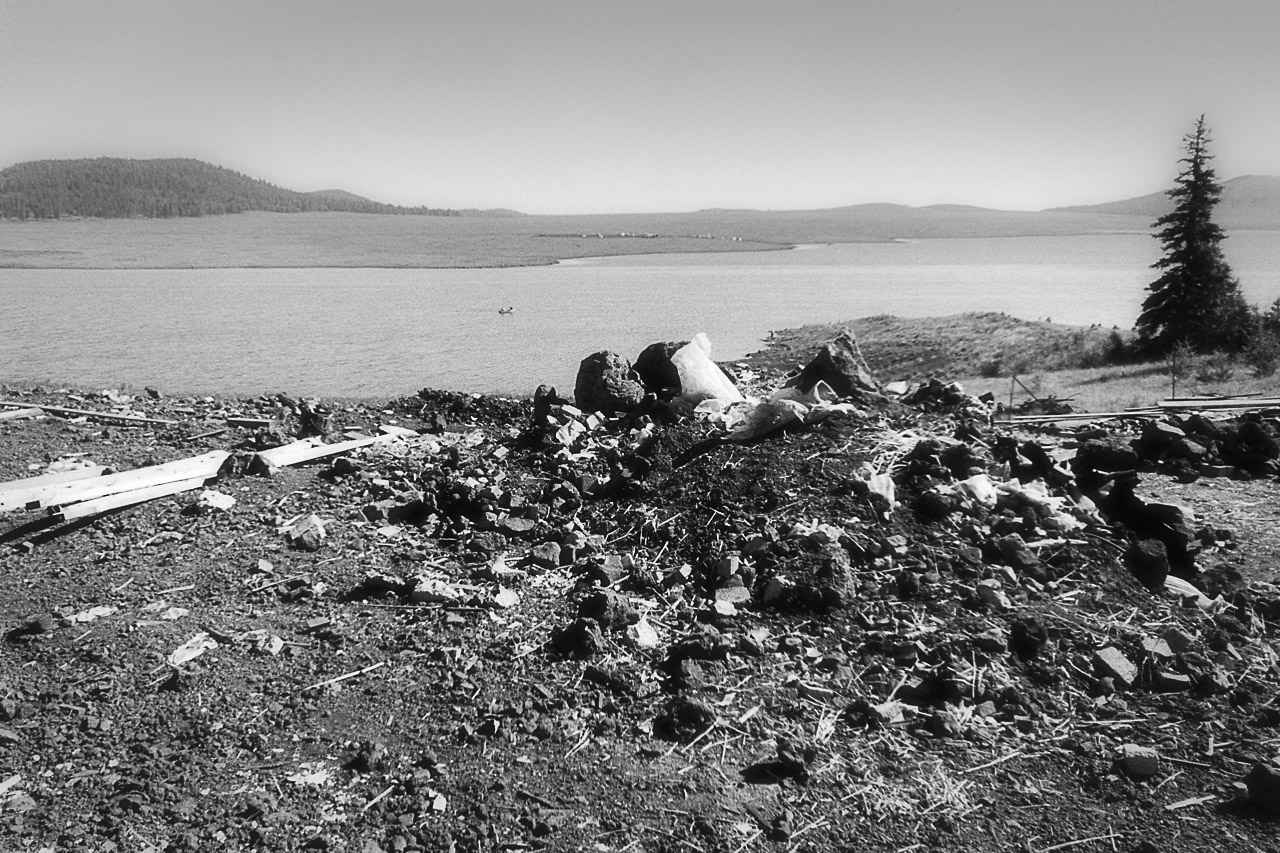
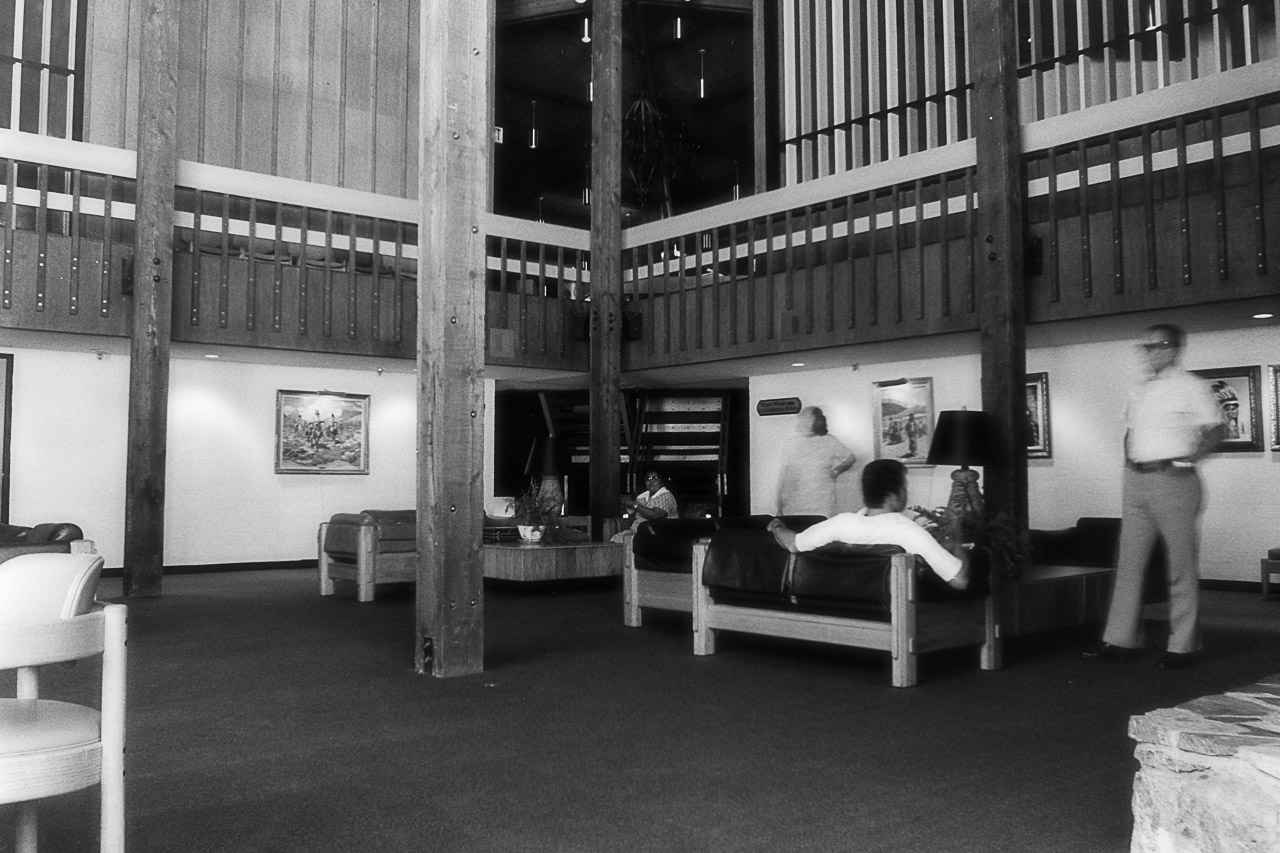
During our stay, the Apache Tribe was finishing construction on a new resort with lodging, dining and ski facilities at the high elevation (over 9000 feet) Sunrise Lake.