A busy day, full of errands and appointments.
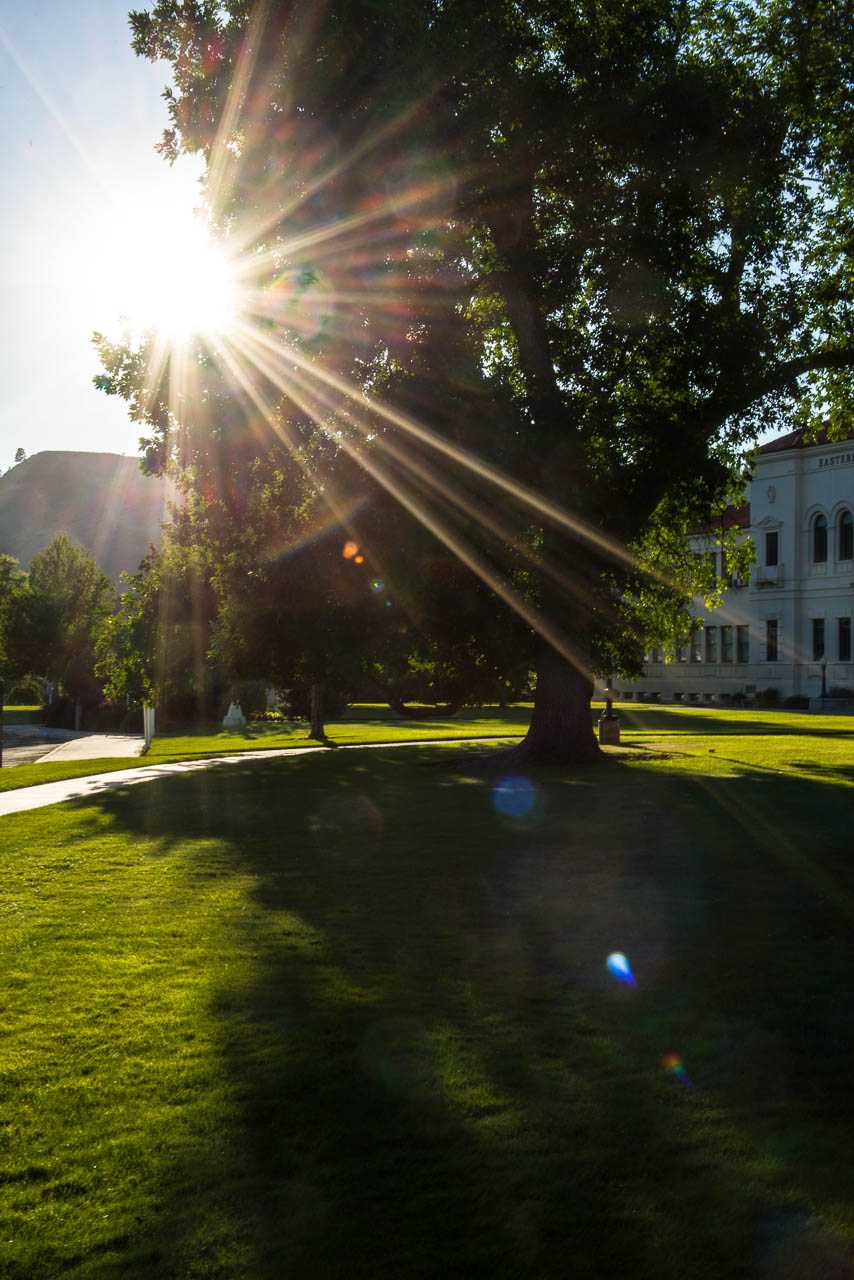
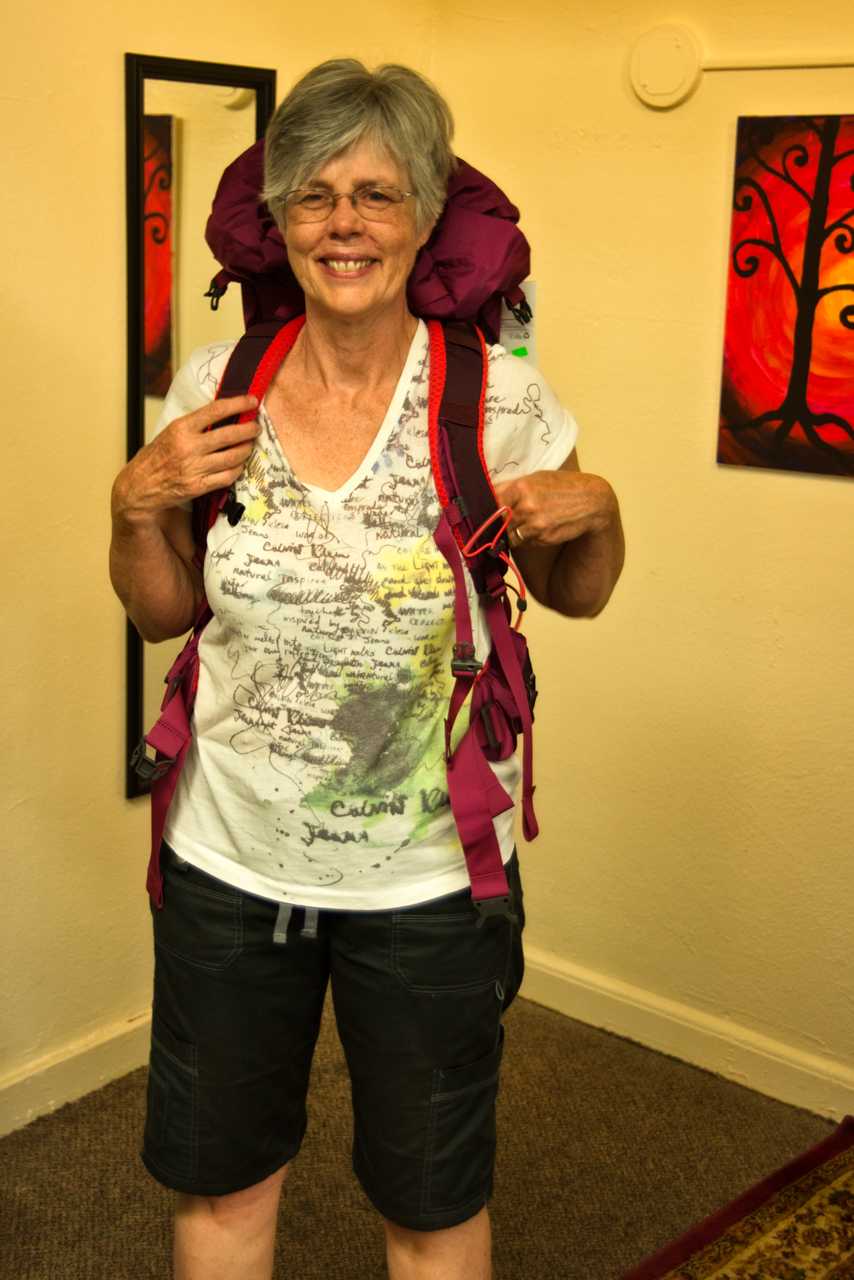
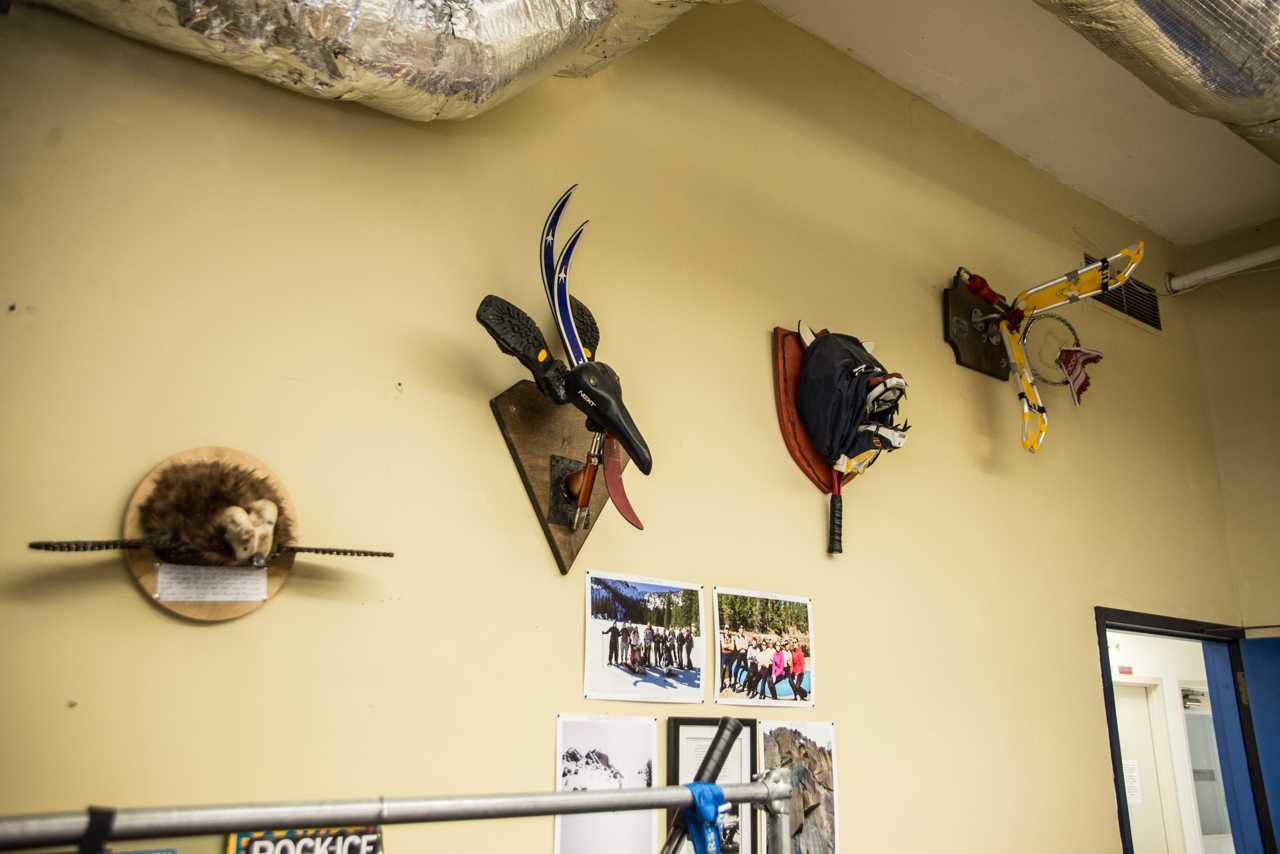
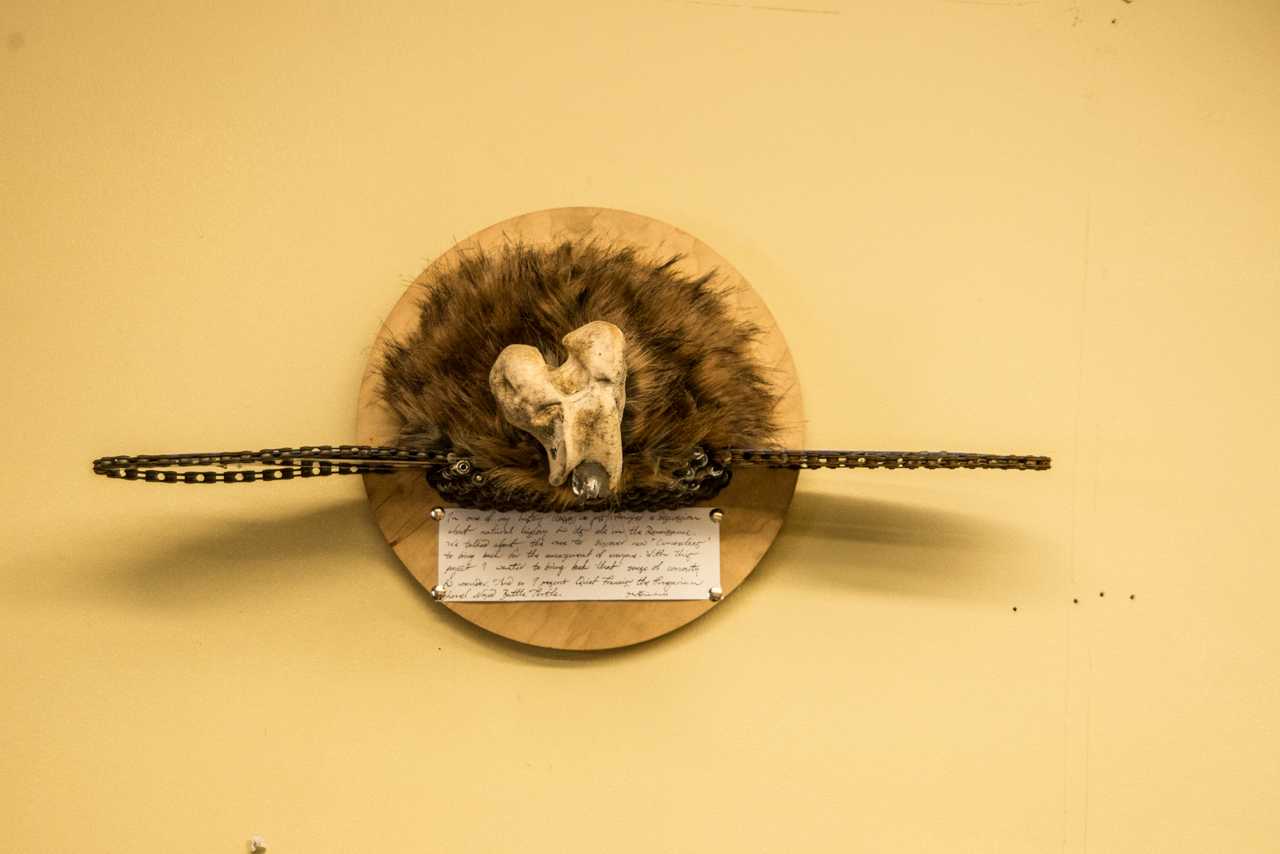
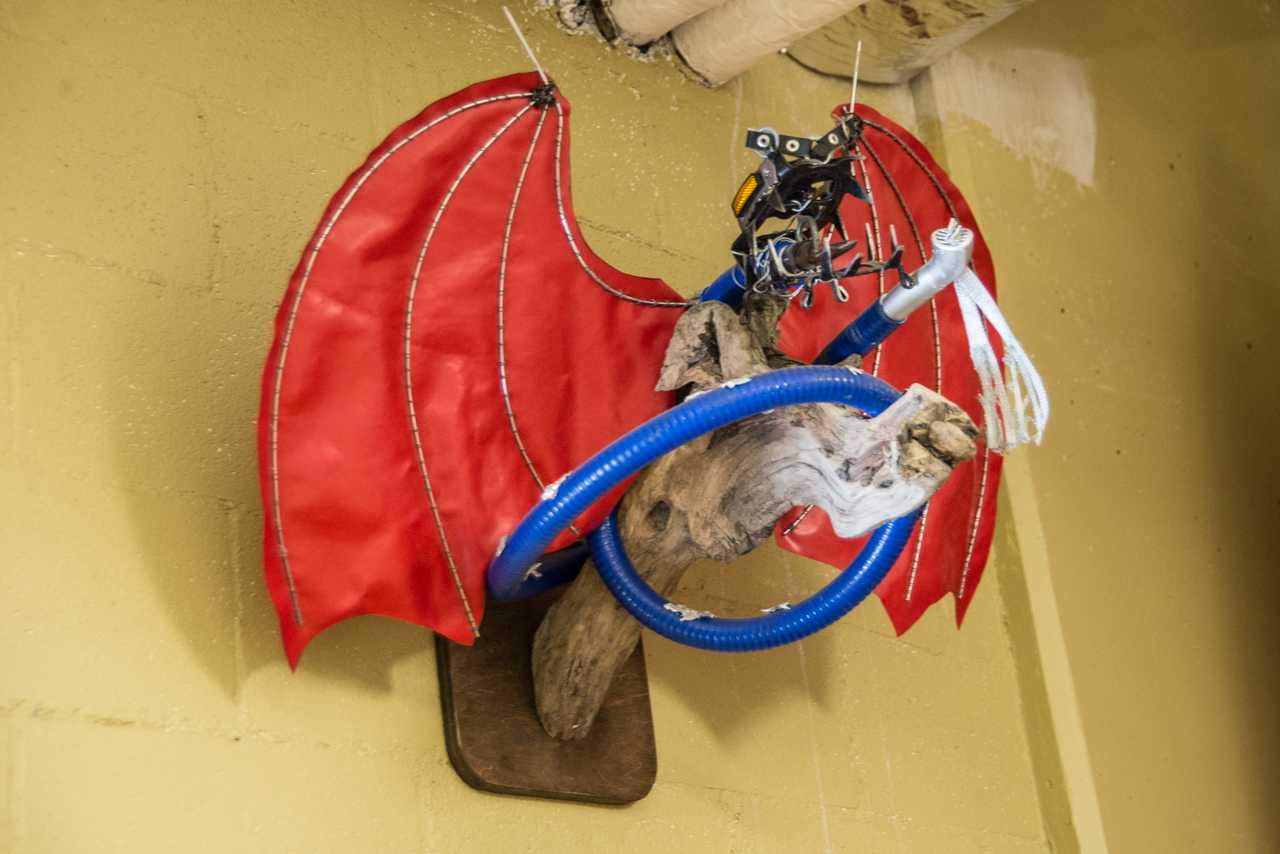
First, we drop by the EOU (Eastern Oregon University, if you don’t know) Outdoor Shop to check out the selection of rental backpacks in anticipation of Kim’s forthcoming Eagle Caps Wilderness trek (women only). While there, I discover a wonderful set of sculptural objects festooning the wall. These assemblages apparently were conjured up by an art student who was inspired by study of extinct creatures in a Natural History class, so artifacts of outdoor gear and found materials were combined to suggest new species. (Anybody reminded of Picasso’s “Bull’s Head“?)

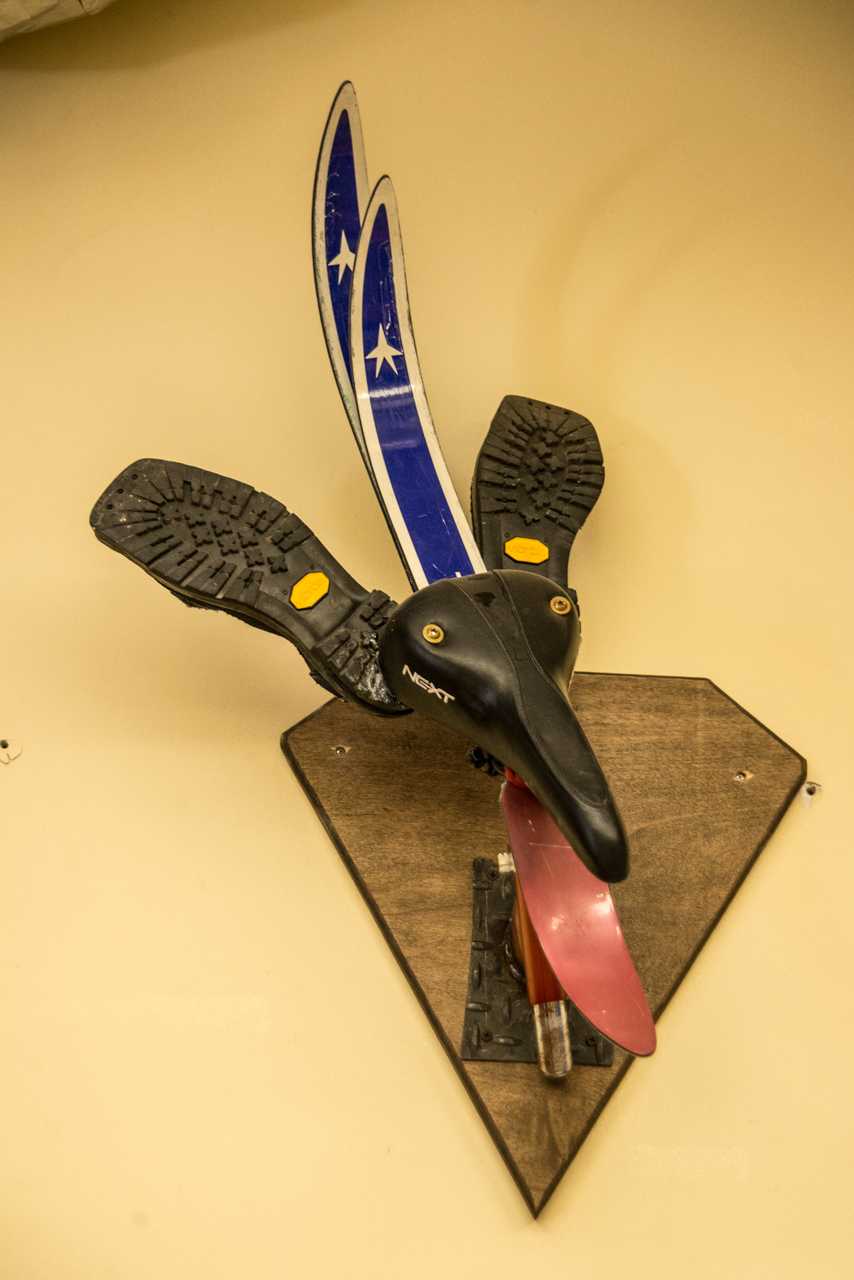
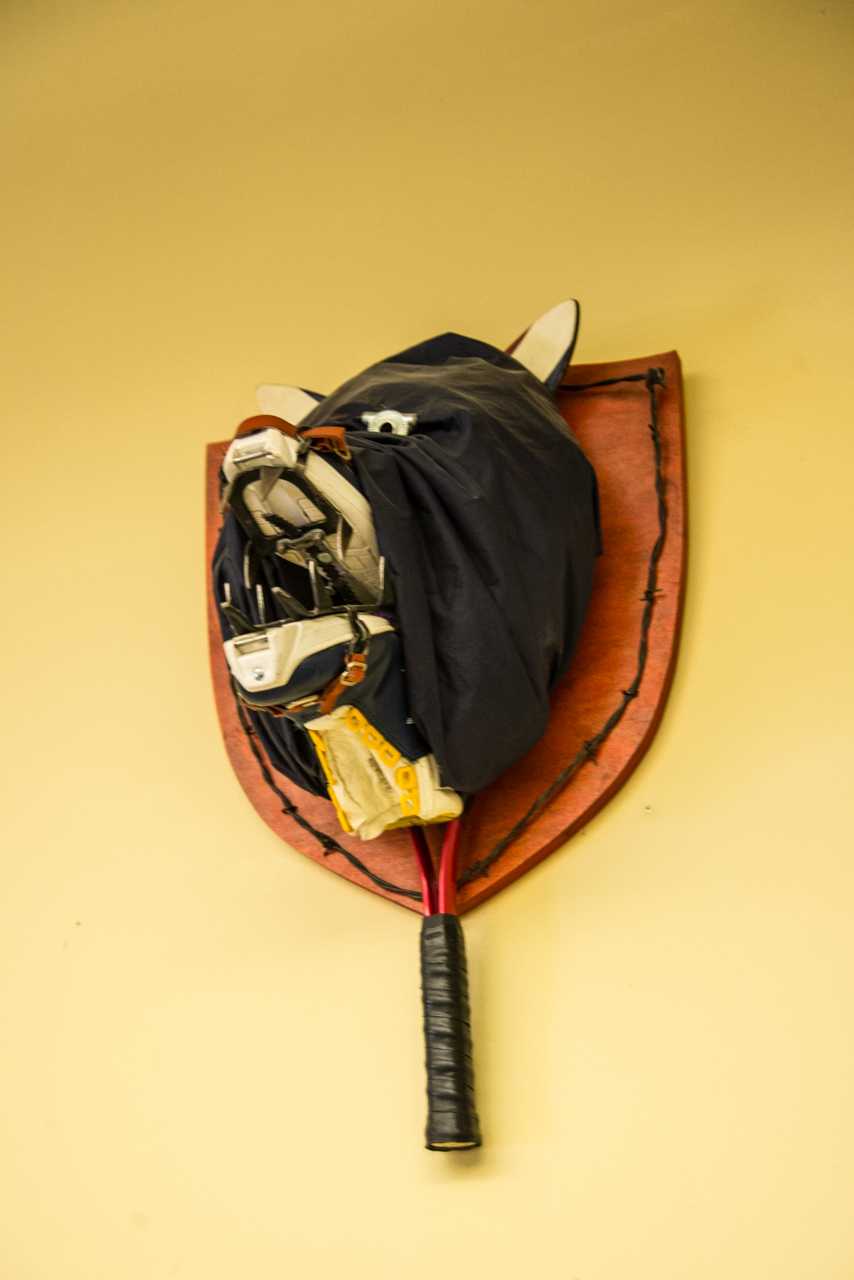
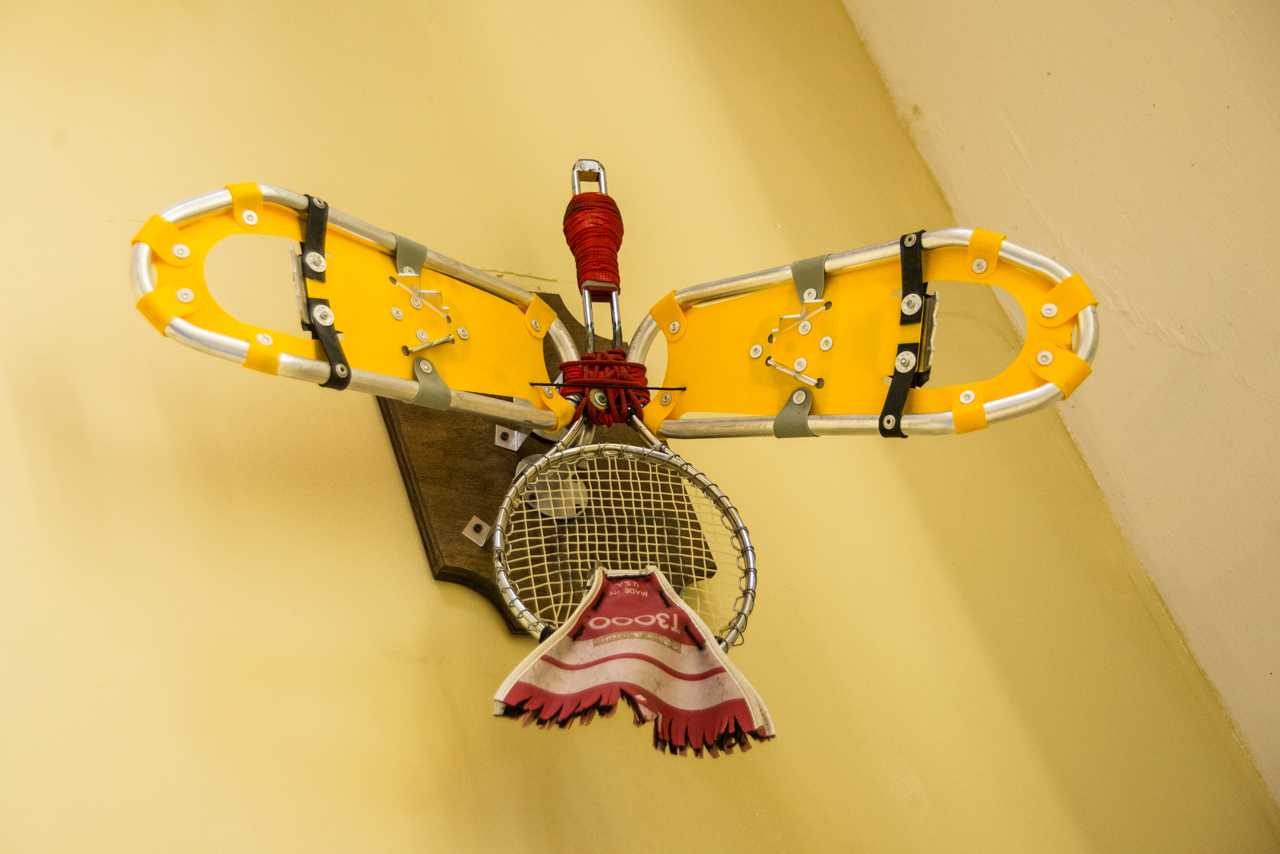
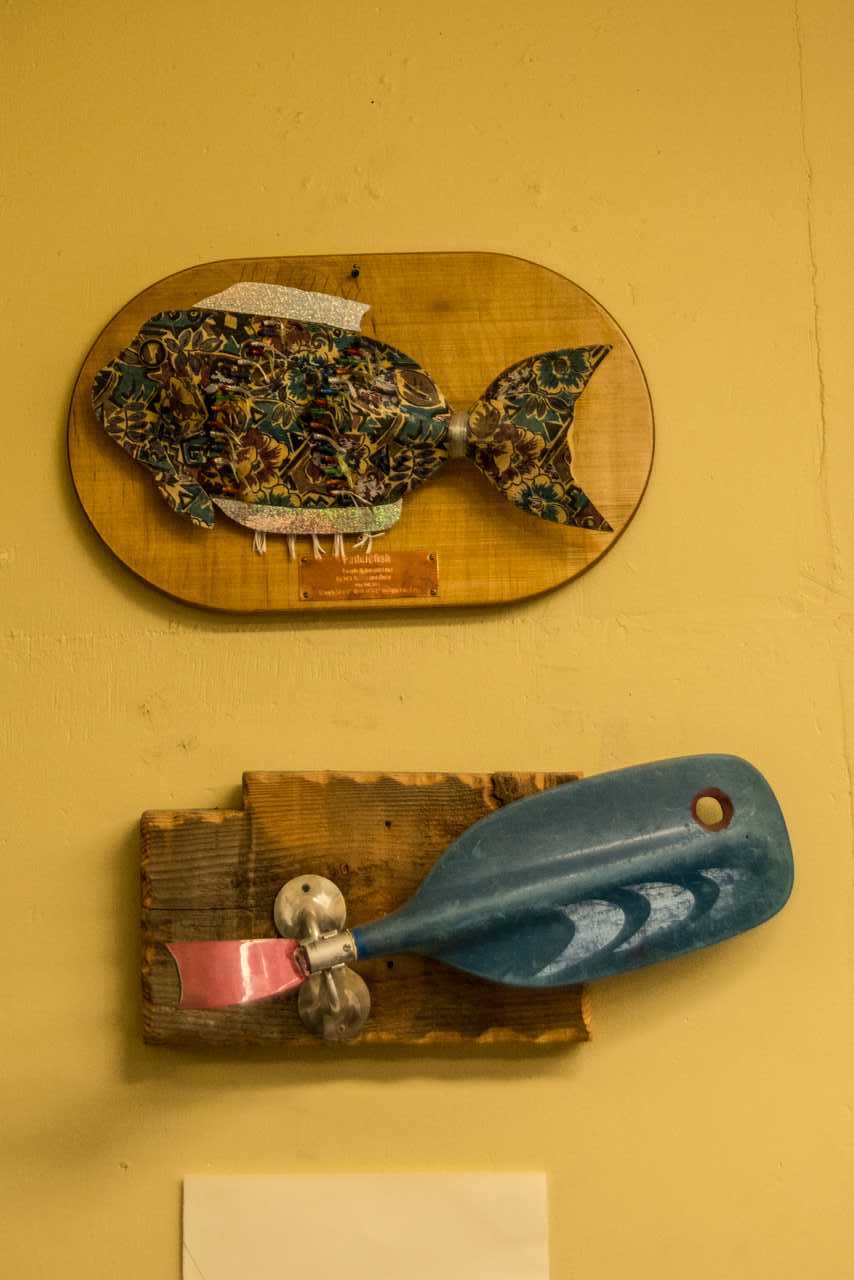
Next, while Kim visits her dentist for routine oil change and service, I spend some time in the nearby library. There I discover a most fascinating magazine — FP, referring to Foreign Policy — chock full of way-above-average photography and some excellent writing. Associated with the limited (free) access digital media outlet, http://foreignpolicy.com/. I’ve read two issues just about cover to cover on my last couple of visits to our library (our best local government service, IMHO).

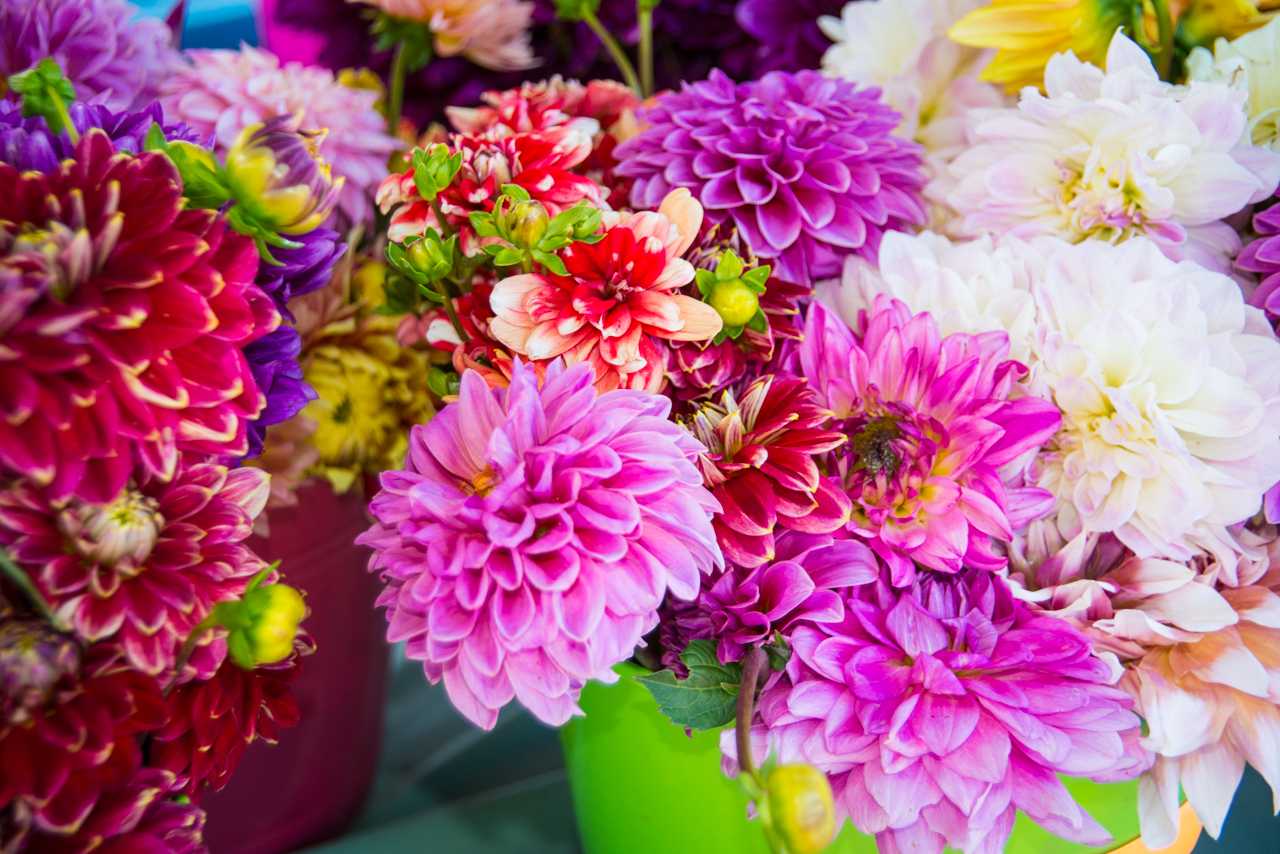
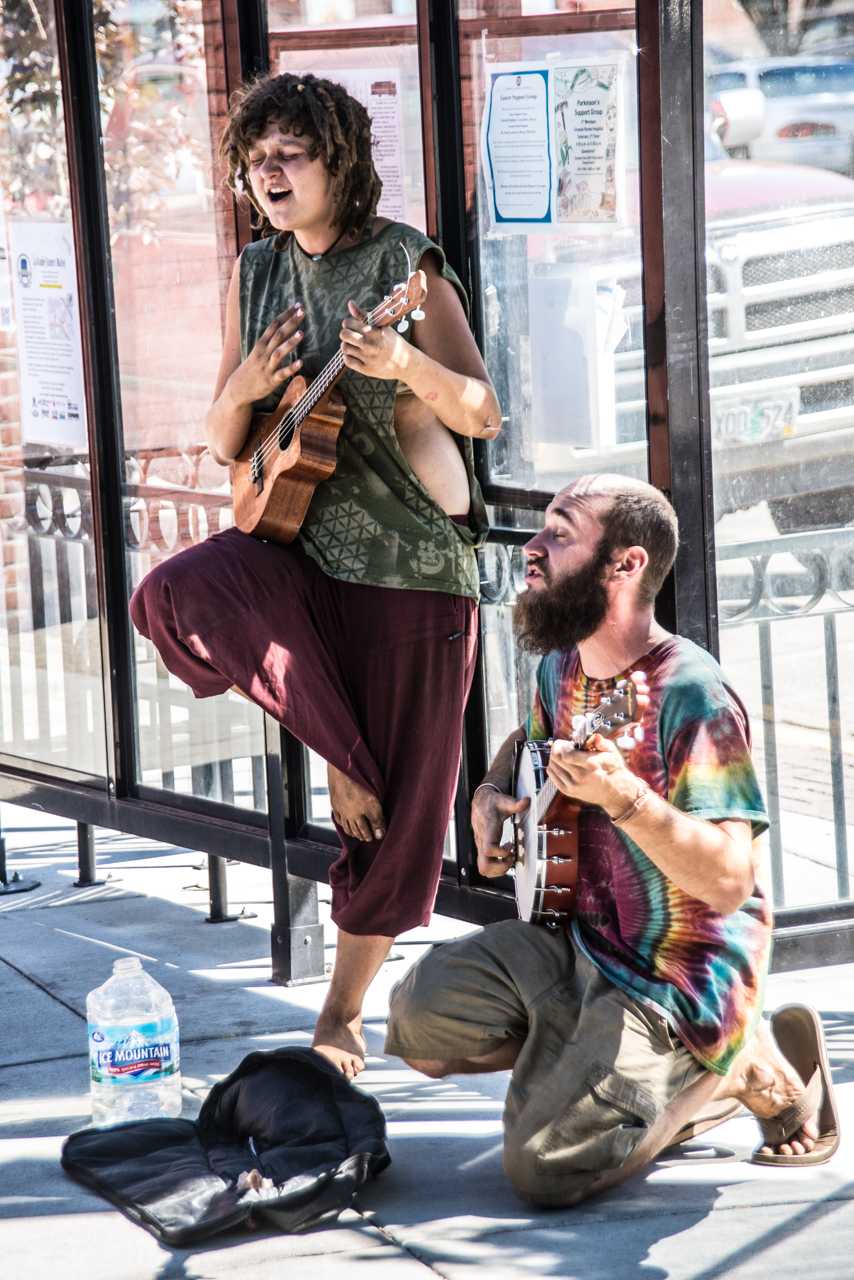
Then, we join up to visit the next door Farmers Market, selecting fresh berries, corn and outstanding locally-made cheese, listening to busker music and smelling the fresh flowers.
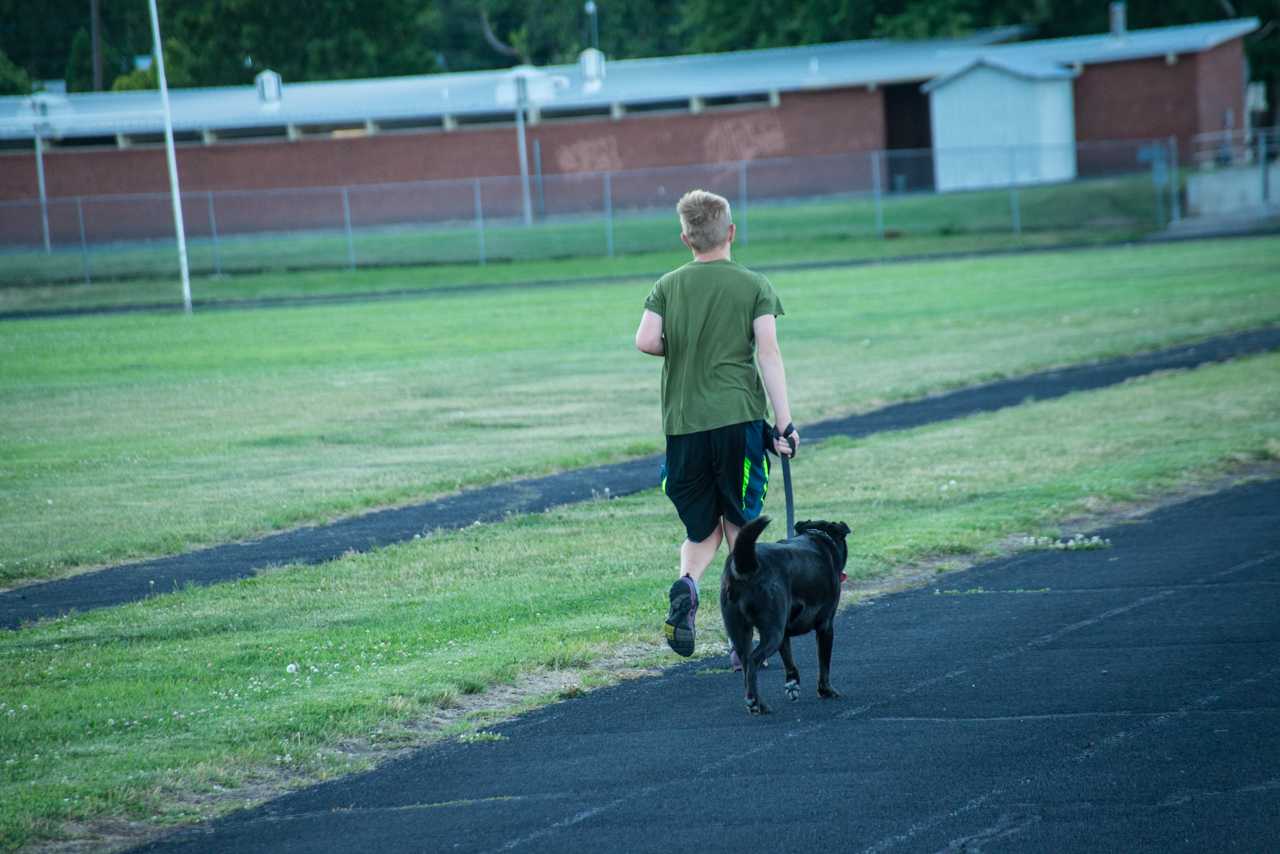
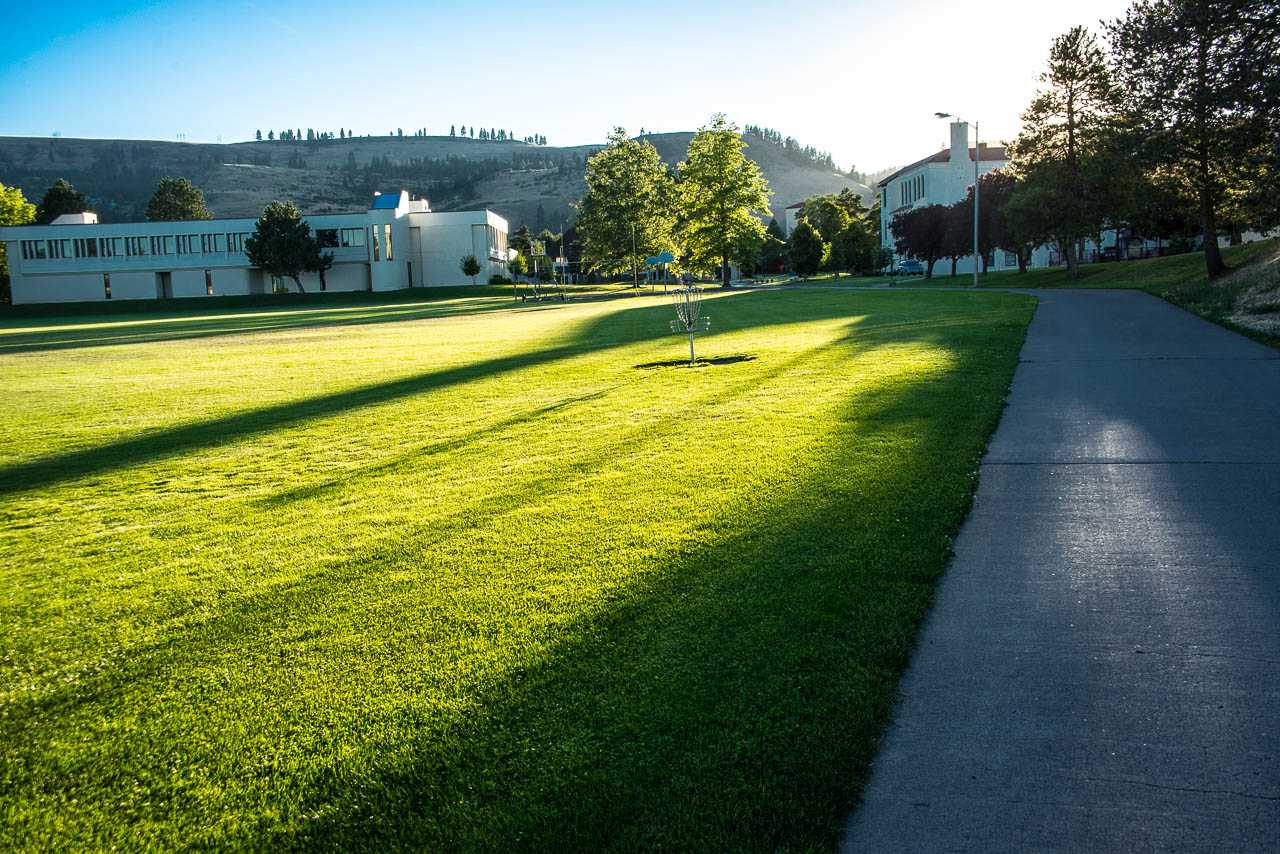
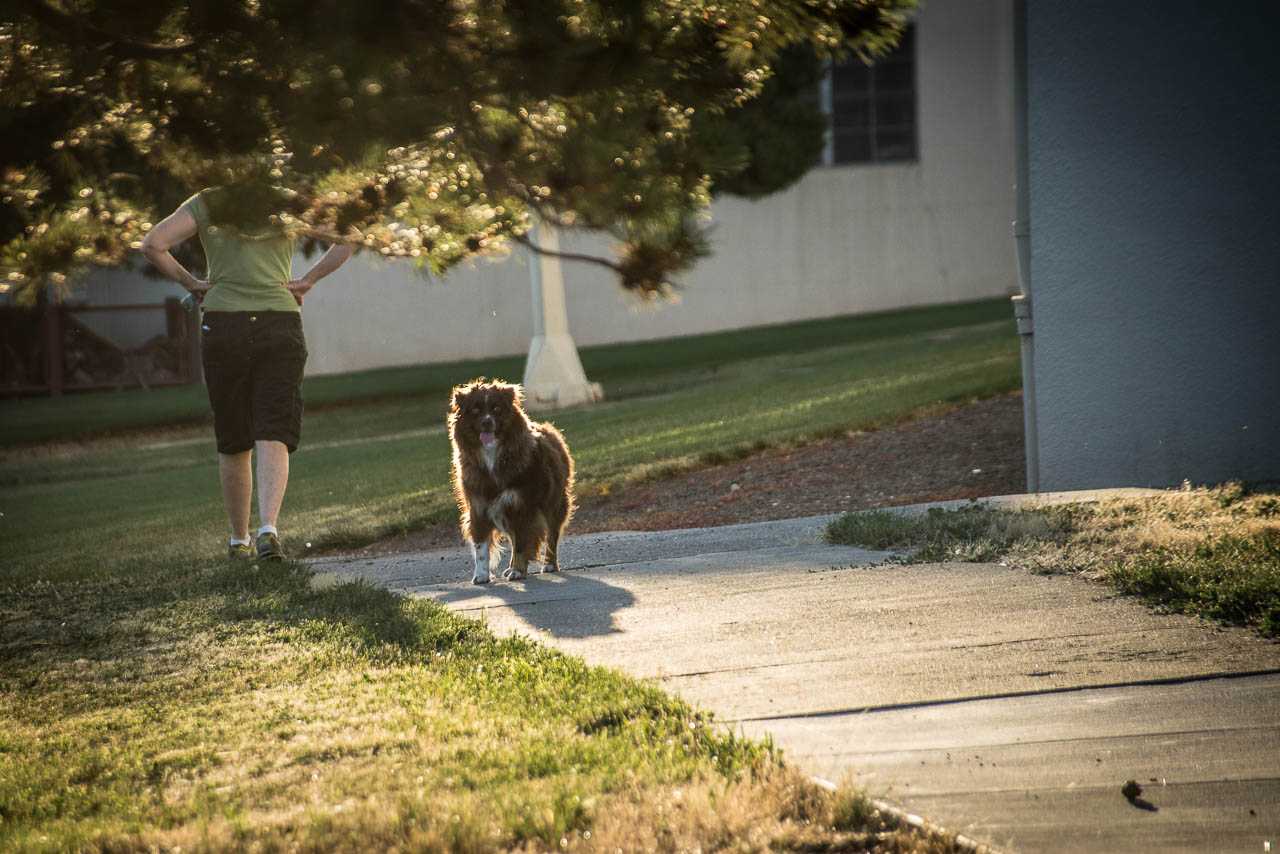
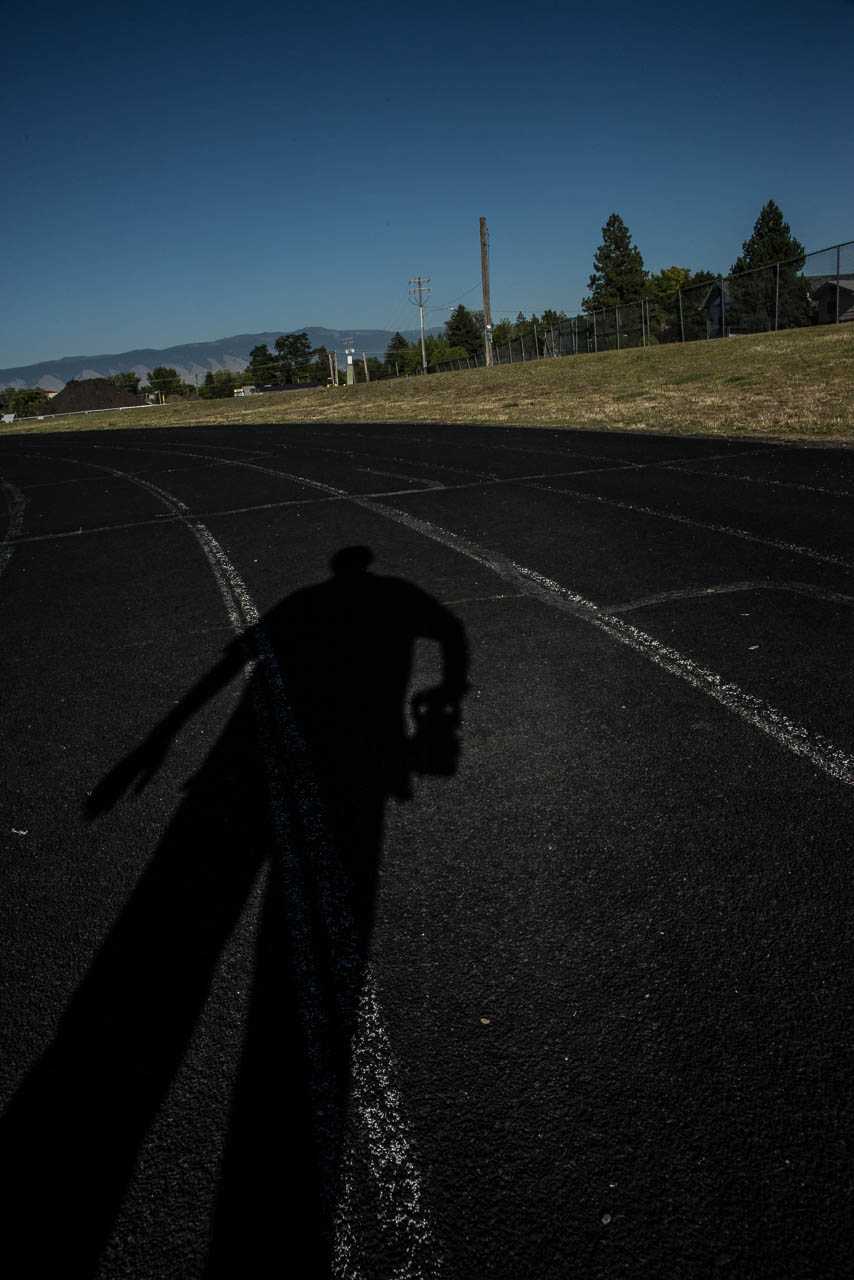
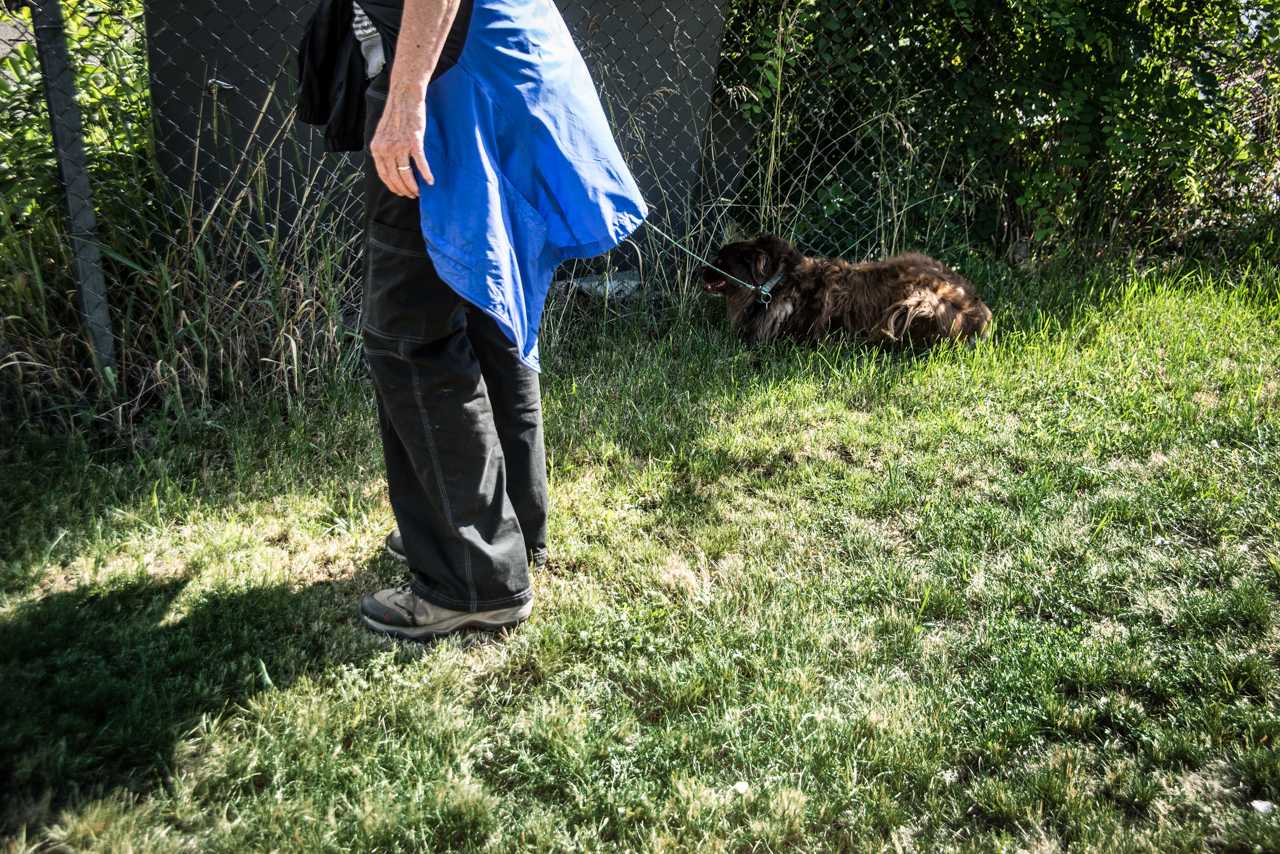
Finally, after the heat of the day has dissipated a bit, we hit the nearby middle/high school track for running of the Charlie-bull and where I try to get a good number of briskly-walked laps several times a week. Kids and other dog-owners are out now in the more tolerable early evening temp. Here, as I zen-walk down the track, I am reminded of childhood on the farm when we “hoed ‘beans”. This operation was undertaken under direct sun, all day long, when soybeans had grown too high to be cultivated mechanically with a tractor-mounted cultivator rig, but still were infested with too many weeds. So it required taking machete (aka “corn knife”) in hand and walking down every row and chopping out weeds growing among the intermingled waist-high soybean bushes, typically for $1/hour or less unless you were working unpaid on your own family farm. I digress …