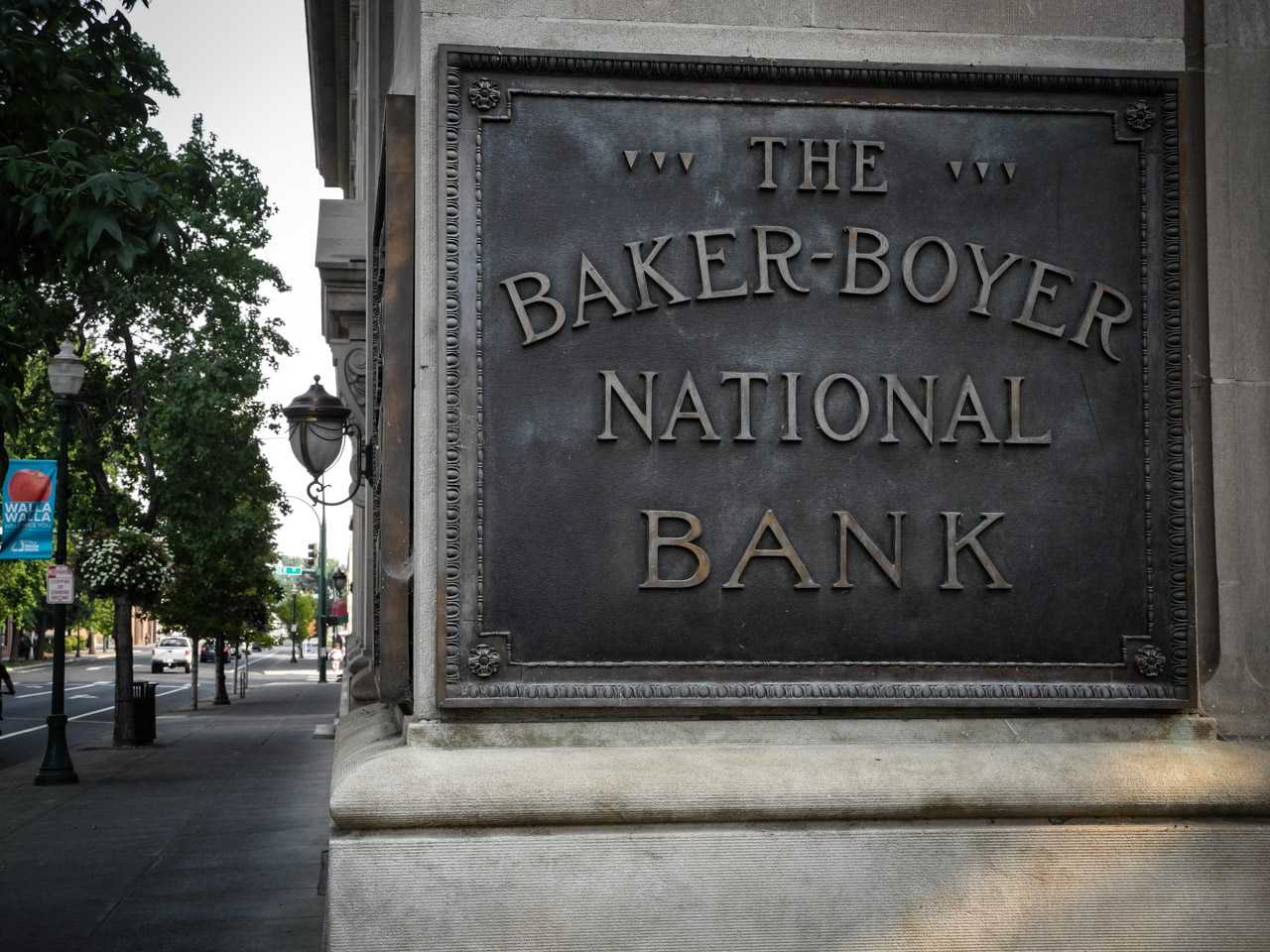
Here’s what the last couple of days look like throughout the day. Winds appear to carry smoke northward from eastern Oregon wildfires.
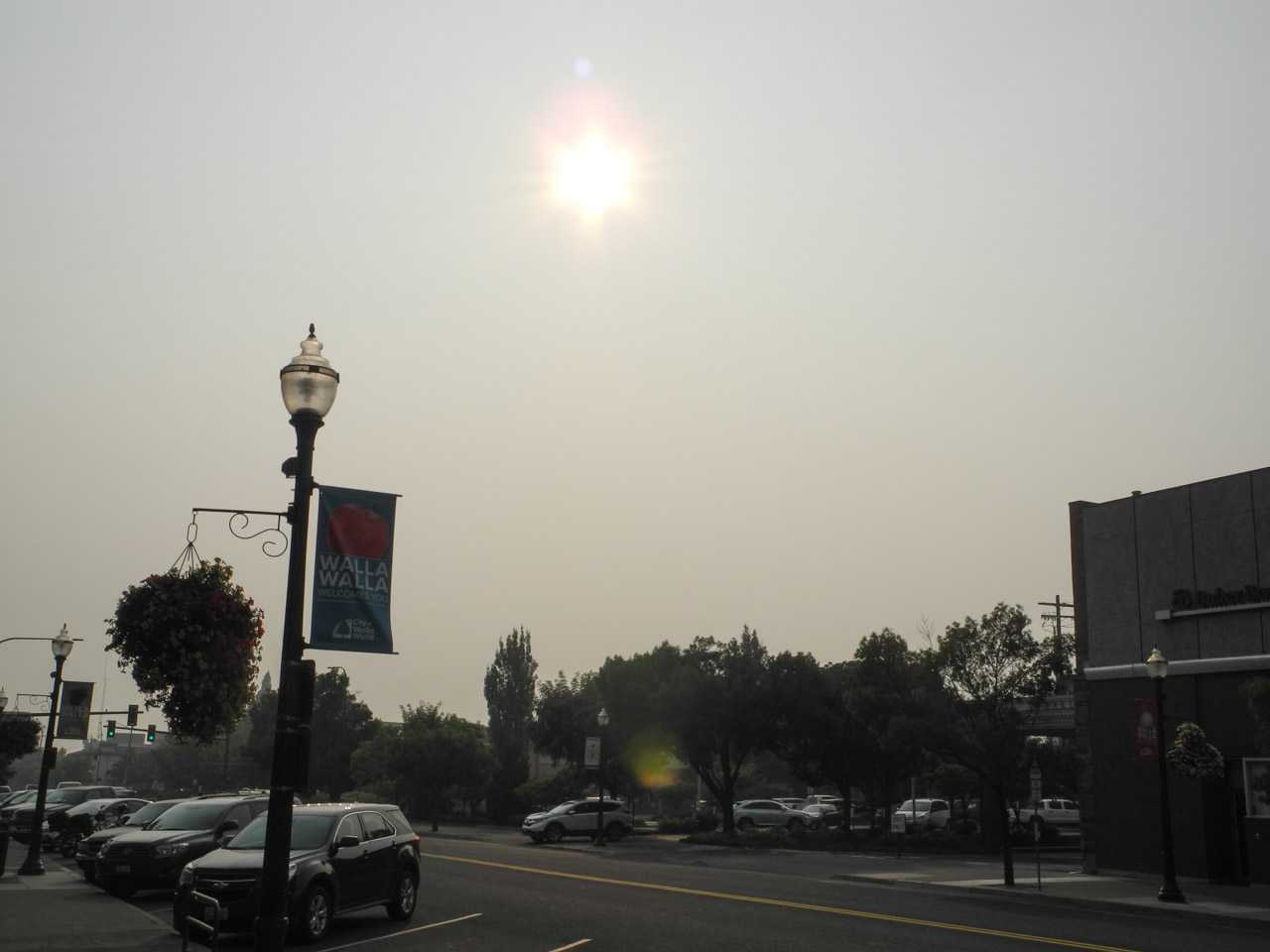

And today’s walk to/from work:


Here’s what the last couple of days look like throughout the day. Winds appear to carry smoke northward from eastern Oregon wildfires.
And today’s walk to/from work:
I had expected to be doing this clawing and sorting through boxes of old negatives and slides and a lot of whatever during the upcoming winter. But unexpectedly losing the use of my main camera has led me to this alternative. And something of at least minor interest is coming up every day.
This morning I find negatives, previously thought to be lost forever, that further document an infamous road trip in 1977. Three photographers, Lee, Maureen and myself, left Venice, California in a Volkswagen bug, bound for the tiny almost-ghost-town of Bisbee, Arizona, to meet up with bartender/writer/philosopher Harold and join him and his girlfriend to press on into Mexico.
Lee was a photographer in the employ of the Los Angeles Times and had hatched this plan that we would combine our shooting results from the trip and present in a group show, and he would develop all the negs in the Times darkroom. While the show did in fact later materialize, some rolls of film were thought to have been lost, so their prints never were exhibited. But, somehow — I found at least some of the negatives buried in an unmarked box within a box within a box. Here is a sampling. (And if you want to learn more about the Bisbee/Naco road trip, I am adding some more of the new finds to my own existing record of the trip at HHR.)


More dredging-up from old, forgotten, never printed negatives, some almost beyond repair. My sister, sometime in the early 70s.


A companion piece to Saturday’s Los Angeles image …

Given a now-defunct camera, I return to exploration of old negatives. Here I find some trashed color negatives, but see if they can be resurrected by conversion to monochrome. (I note that VW bugs, ubiquitous in that era, appear in the background of at least two images. And I have been doing windshield photography for a long time.)


From some forgotten archives, circa 1969. First, a classic VW, location unknown, probably somewhere in Los Angeles or Long Beach. Then a view of Los Angeles from the hills, perhaps anticipating climate change:


 Just wanted to alert readers that brother Dennis has just released a new book of poetry. Here’s a link to BookShout for more info. (Is this nepotistic?)
And to quote BookShout:
These poems by award-winning author Dennis Hathaway are meditations on life and death through a variety of perspectives. In the title poem, a man reading about shipwrecked sailors driven to cannabilism is led to reflect on a particularly intense time of his youth. In The Promised Land, the boundless optimism of youth is captured in the observations of a young man escaping the Midwest for California, while Southern California (Revised) paints a disturbing picture of that iconic place’s future. In Documents of War and The Harrying of the North, official documents and a famous tapestry are used to illustrate the distance most of us maintain from the grim realities of war. The spectacles of natural worlds both large and small are lyrically evoked in River of Wind and Fauna, while the abiding love between a man and his wife is the subject of The Path, The Philosophy of Love and several other poems that combine sharp observation of the everyday details of life with flights of imagination. But despite the seriousness of subject matter, many of the 25 poems in this collection have an ample seasoning of humor, from the overt in Money and Queen of Spades” to the more subtle in Memory and Santa Inez.
For Jamesa and a handful of other VW aficionados in my orbit …


Then we walk home down South Second Avenue, again in the suffocating heat.


 About a year ago, I reported on my readings of work by Yuval Noah Harari (thanks to a SIL C.S. recommend). His Sapiens dealt with the past, his Homo Deus with the future, and a new book, 21 Lessons for the 21st Century, takes on the present. Here you can find excerpts as published this week by The Guardian.